What are the signs your windows need replacing?
Not sure whether your windows need replacing? Discover the most common warning signs and when repair may no longer be the best option.

Windows play an important role in keeping your home warm, secure and comfortable, but like any part of a property, they will not last forever. While some issues can be repaired, there comes a point where replacement becomes the more practical and cost effective option.
The challenge is that windows rarely fail overnight. In most cases, the signs appear gradually, whether that is increasing draughts, condensation problems, difficulty opening and closing the frames or rising energy bills. Understanding what to look for can help you decide whether a repair is sufficient or whether it might be time to consider talking to a replacement window installer.
Draughts and cold spots around your windows
One of the most common signs that windows may need replacing is the presence of noticeable draughts. If you can feel cold air around the edges of the frame, particularly during the winter months, it may indicate that seals have deteriorated or that the window is no longer performing as it should.
Older windows can become less effective at preventing heat loss over time, making rooms harder to heat and potentially contributing to higher energy bills. While replacement seals can sometimes solve the issue, persistent draughts are often a sign that the window has reached the end of its useful life.
If energy efficiency is a particular concern, you may find our guide to the best energy efficient windows helpful.
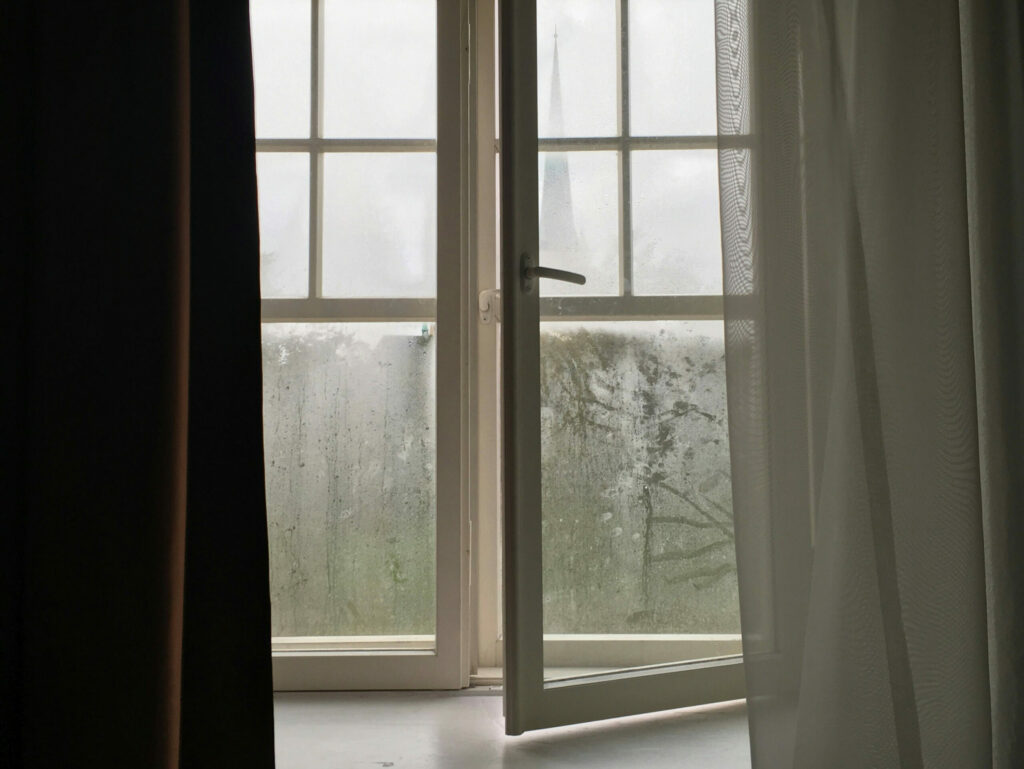
Condensation between the glass panes
Many homeowners assume that any condensation means their windows need replacing, but this is not always the case.
Condensation on the inside of the glass is often caused by moisture levels and ventilation within the home. However, condensation trapped between the panes of a double or triple glazed unit is a different matter entirely. This usually indicates that the sealed unit has failed, allowing moisture to enter the gap between the panes.
In some cases, the glass unit can be replaced without changing the entire window. However, if multiple units are failing or the frames are also showing signs of age, it may be worth considering a full replacement.
Windows that are difficult to open or close
Windows should operate smoothly and securely. If they become difficult to open, stick in certain positions or no longer close properly, it can be frustrating as well as a potential security concern.
There are several possible causes, including worn hinges, failed mechanisms or frames that have shifted over time. While some of these issues can be repaired, recurring problems may indicate that the window is reaching the end of its lifespan.
This is particularly important for windows that are relied upon as emergency escape routes, such as those found in bedrooms. You’ll also find that old timber sash windows can often fail, stick or the balance weights break. We often replace old timber sash windows with new, replacement uPVC Sash Window alternatives.
Visible damage to the frames
Physical damage is another obvious sign that replacement may be worth considering. Depending on the material and age of the windows, this could include cracks, warping, rot, corrosion or general deterioration.
Small cosmetic issues are not always a cause for concern, but damage that affects the structure or performance of the window should not be ignored. Left untreated, these problems can worsen over time and lead to more expensive repairs.
Modern window systems are designed to be more durable than older products, with both uPVC and aluminium options offering excellent longevity when properly installed and maintained.
Increased outside noise
If you have noticed that outside noise seems more noticeable than it used to be, your windows may not be performing as effectively as they once did.
Older glazing units and worn seals can allow more sound to pass into the home. Modern windows, particularly those fitted with high performance double or triple glazing, can significantly improve acoustic performance and help create a quieter indoor environment.
This can be particularly beneficial for properties located near busy roads, schools or transport links.
Rising energy bills and poor thermal performance
While energy prices are influenced by many factors, ageing windows can contribute to unnecessary heat loss. Older glazing and deteriorating seals can make it more difficult to maintain a comfortable temperature inside the home, resulting in heating systems having to work harder.
If your home feels colder than it should, despite having adequate insulation and heating, your windows may be part of the problem.
Modern window systems are designed to meet much higher thermal performance standards than those installed twenty or thirty years ago, helping to improve comfort and reduce heat loss.
Your windows no longer suit your home
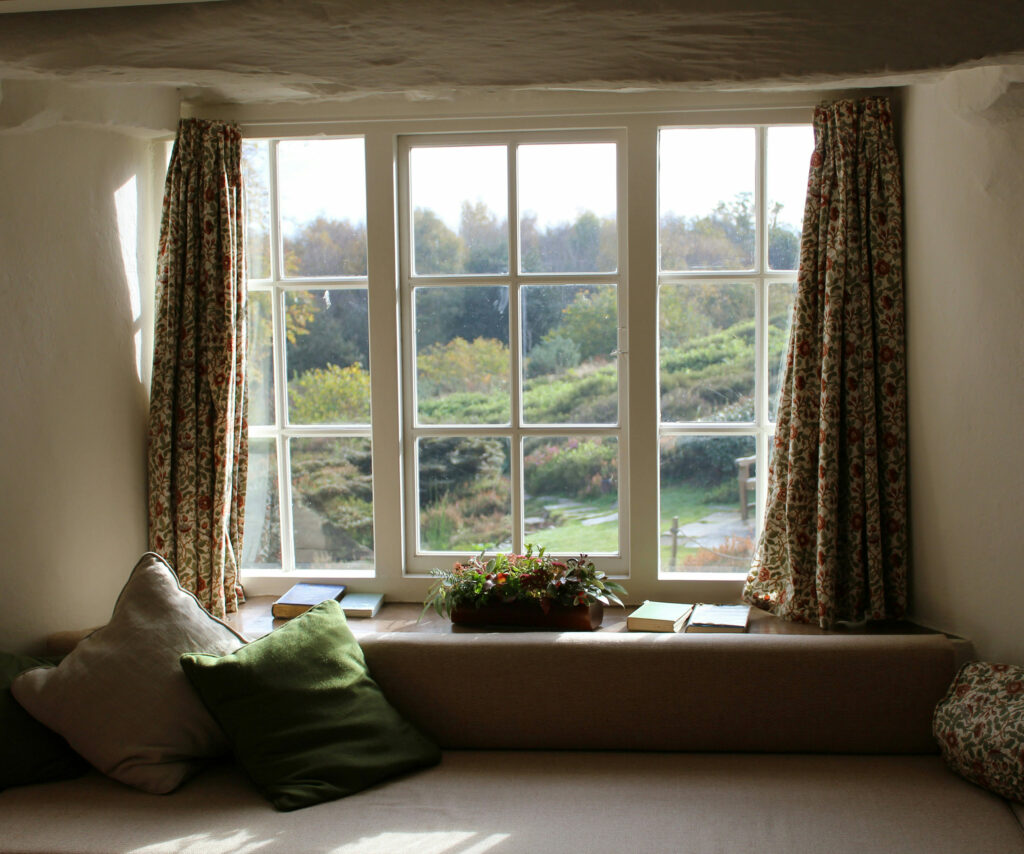
Not every window replacement is driven by performance issues. In some cases, homeowners simply want to improve the appearance of their property.
Perhaps you are planning an extension, renovating an older home or updating a property that still has outdated windows installed decades ago. New windows can transform the look of a home, improve kerb appeal and better complement modern design features.
Materials such as aluminium have become increasingly popular for homeowners looking to achieve slimmer frames and larger areas of glass. If you are considering this option, you may also be interested in our guide to whether aluminium windows are worth it.
Should you repair or replace?
Not every issue requires a full replacement. In some situations, replacing a sealed unit, fitting new hinges or carrying out minor repairs can restore performance and extend the life of a window.
However, when multiple problems begin to appear, such as failed glazing units, recurring draughts, damaged frames and poor thermal performance, replacement often becomes the more sensible long term solution.
The best approach is usually to assess the condition of the windows as a whole rather than focusing on a single issue in isolation.
Exploring replacement window options
If you believe your windows may be reaching the end of their lifespan, it can be helpful to explore the different replacement options available. Factors such as material, glazing specification, appearance and energy efficiency can all influence the right choice for your home.
Our windows page provides an overview of the different styles and materials available, including uPVC windows and aluminium windows.
So, how do you know when it is time to replace your windows?
There is rarely a single sign that tells you it is time to replace your windows. More often, it is a combination of factors such as draughts, condensation issues, difficulty operating the windows, visible damage and declining energy efficiency.
If several of these problems are becoming familiar, it may be worth exploring whether replacement windows could improve comfort, performance and the overall appearance of your home.
FAQs about replacing windows:
How often should windows be replaced?
The lifespan of a window depends on the material, quality and installation. Many modern windows can last several decades before replacement becomes necessary.
Is condensation a sign that I need new windows?
Condensation between the panes of glass usually indicates a failed sealed unit. Condensation on the inside of the glass is more commonly related to ventilation and humidity levels within the home.
Can failed double glazing be repaired?
In many cases, the sealed glass unit can be replaced without changing the entire window frame.
Do new windows improve energy efficiency?
Modern windows are generally far more thermally efficient than older systems and can help reduce heat loss when properly specified and installed.