How long do aluminium windows last?
Aluminium windows are built to last, but how long should you expect them to perform? Here is a clear look at lifespan, durability and what affects it over time.

Aluminium windows are known for their strength and longevity, making them a popular choice for homeowners looking for a longer term solution. But how long do they actually last in real world conditions?
In this guide, we break down the typical lifespan of aluminium windows, what affects their durability and how they compare to other materials such as uPVC.
The average lifespan of aluminium windows
Aluminium windows are known for their durability and strength, and when properly installed, they can last for several decades without significant deterioration. In most cases, you can expect aluminium windows to last somewhere between 30 and 45 years, and often longer depending on the environment and how well they are maintained. This makes them one of the longer lasting options available and a popular choice for homeowners looking to invest in their property over the long term rather than opting for a shorter replacement cycle.
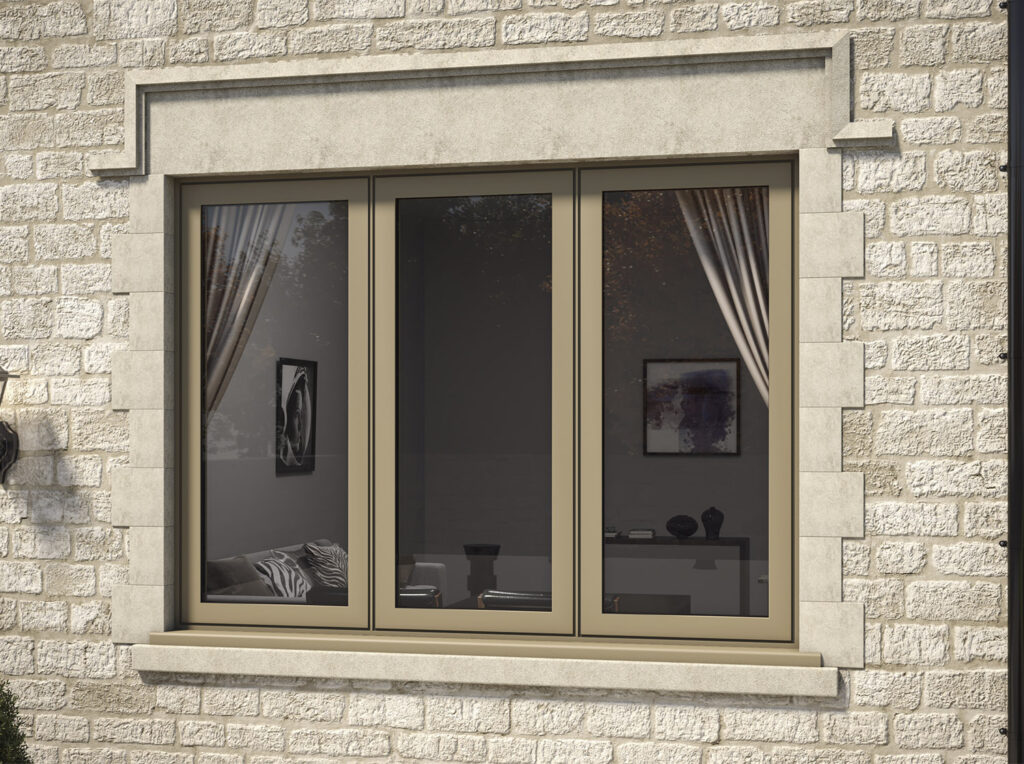
Why aluminium windows last so long
The longevity of aluminium windows comes down to the properties of the material itself, combined with modern manufacturing methods and finishes that are designed to withstand everyday use and exposure to the elements.
Aluminium is naturally strong and stable, meaning it does not expand, contract or warp to the same extent as some other materials when temperatures change. This helps frames maintain their shape over time, which in turn supports the performance of the glazing and seals. Modern aluminium windows are also finished using powder coating, which provides a durable outer layer that protects against moisture, UV exposure and general weathering, helping to preserve both appearance and structural integrity over many years.
Maintenance and upkeep over time
One of the reasons aluminium windows tend to last so long is that they require very little ongoing maintenance. Unlike timber frames, there is no need for repainting or regular treatment, and they are not prone to issues such as rot or swelling. In most cases, occasional cleaning of the frames and glass, along with keeping moving parts such as hinges and tracks clear of debris, is enough to keep them functioning as expected.
Over time, components such as seals or glazing units may need attention before the frame itself, but this is typical across most window types and does not usually impact the overall lifespan of the aluminium frame.
What affects the lifespan of aluminium windows
Although aluminium is a highly durable material, there are still a few factors that can influence how long your windows will last in practice.
The quality of the system itself plays a role, as well engineered systems such as AluK are designed to perform consistently over time. Installation is equally important, as poorly fitted windows can lead to issues such as drafts, water ingress or unnecessary strain on the frame. Environmental conditions can also have an impact, particularly in more exposed locations where windows are subject to higher levels of wind, rain or airborne salt.
In addition, while the aluminium frame is built to last, elements such as seals and glazing units may require replacement at some point to maintain thermal performance, which is something to be aware of when thinking long term.
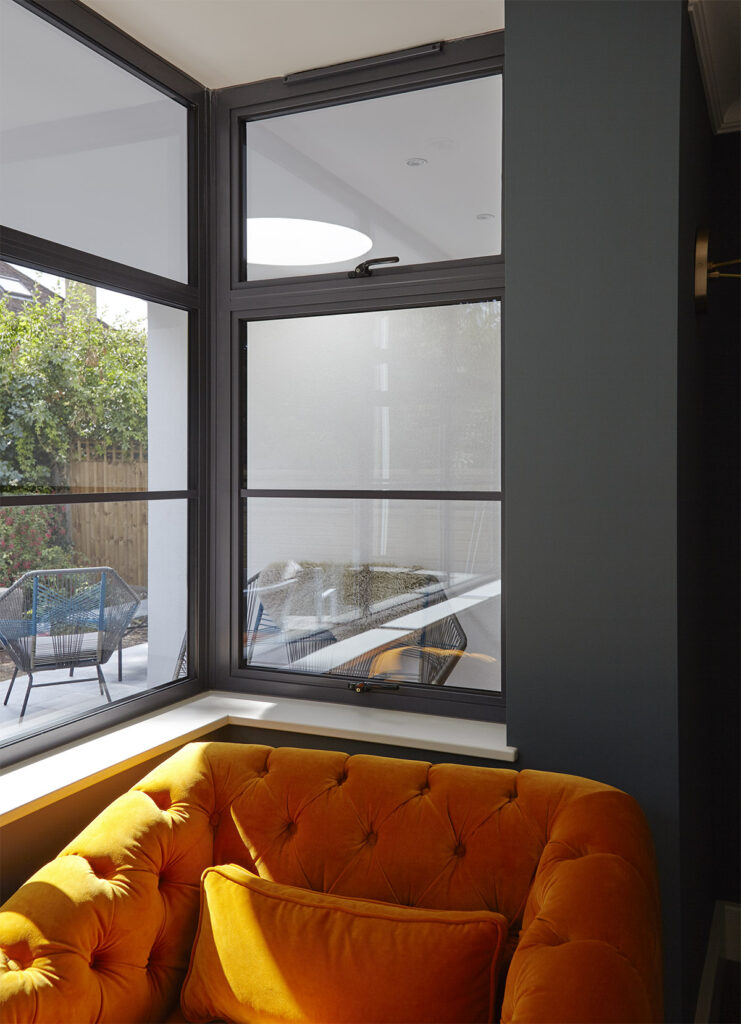
How aluminium compares to uPVC over time
When comparing lifespan, aluminium windows generally outlast uPVC. While uPVC windows typically last around 20 to 30 years, aluminium windows can often last 30 to 45 years or more, making them a stronger long term option for many homeowners. However, lifespan is just one part of the decision, and factors such as cost, appearance and maintenance should also be considered.
If you are weighing up both materials in more detail, you can read our guide to the benefits of aluminium windows vs uPVC.
Appearance and performance over time
Modern aluminium windows are designed to retain both their performance and appearance over time. The powder coated finish used on most systems helps protect against fading, chipping and general wear, even when exposed to sunlight and changing weather conditions. While no material is completely immune to ageing, aluminium tends to hold up well compared to many alternatives, particularly when basic maintenance is carried out.
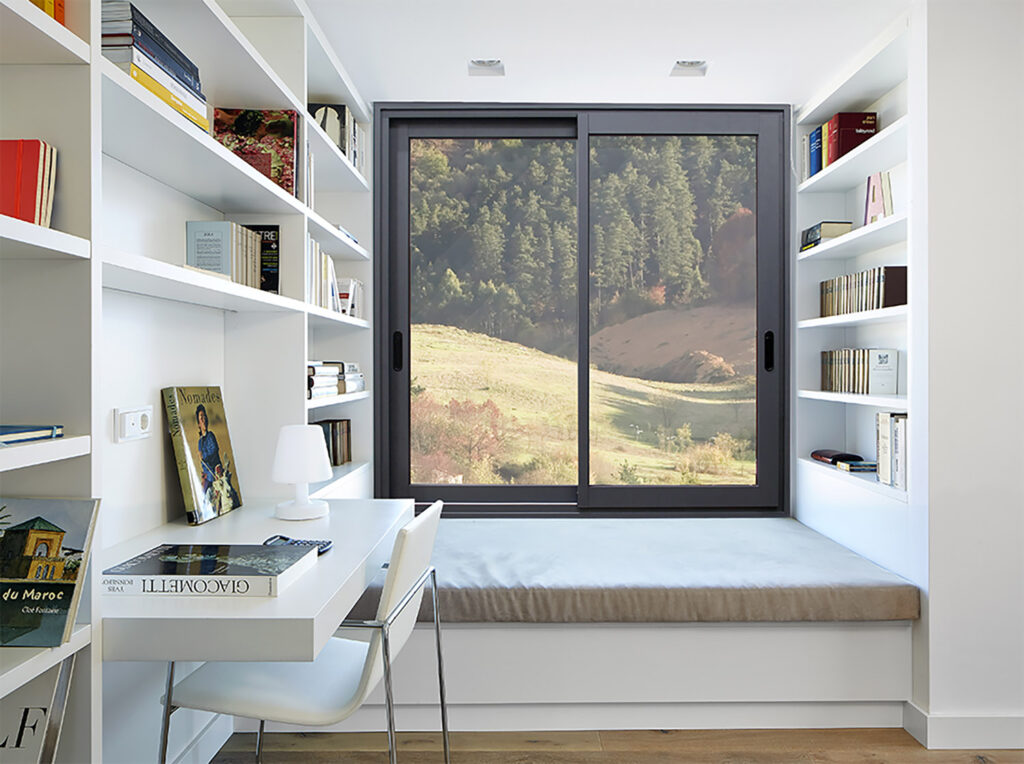
Long term value and investment
Because of their lifespan and durability, aluminium windows are often seen as a longer term investment. Although they typically come with a higher upfront cost than uPVC, their ability to maintain performance and appearance over time can make them more cost effective in the long run, particularly for homeowners who are planning to stay in their property.
If you are considering whether aluminium is the right choice overall, you can also read our guide on are aluminium windows worth it in 2026.
Exploring aluminium window options
If you are looking into aluminium windows in more detail, it can help to understand the different styles, finishes and glazing options available. Our aluminium windows page covers the different designs and configurations, helping you get a clearer idea of what might suit your home and project.
How long do aluminium windows last in practice?
In most cases, aluminium windows will last several decades, often outlasting other common window materials. Their strength, resistance to the elements and low maintenance requirements make them a reliable option for homeowners looking for a longer term solution, particularly where durability and consistent performance are important.
FAQs about aluminium window lifespan
Do aluminium windows last longer than uPVC?
Yes, aluminium windows typically last longer than uPVC, often by 10 to 15 years or more depending on conditions and maintenance.
Can aluminium windows rust?
No, aluminium does not rust. It forms a protective oxide layer that helps prevent corrosion.
How often do aluminium windows need replacing?
In many cases, aluminium windows will not need replacing for 30 years or more, depending on installation quality and maintenance.
Do aluminium windows lose efficiency over time?
The frame itself remains stable, but glazing units and seals may need replacing over time to maintain efficiency.</p>