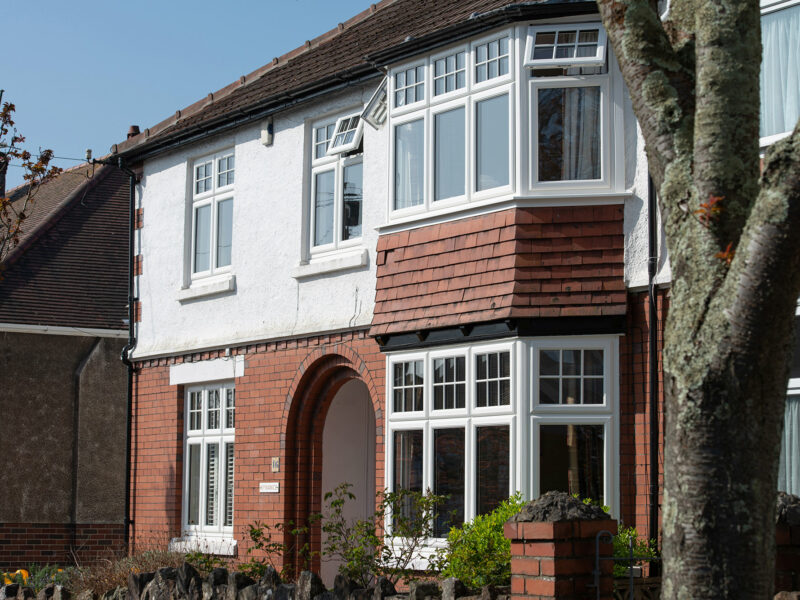
Do new windows add value to your home?
Can replacing your windows add value to your home? We look at kerb appeal, energy efficiency, buyer perception and whether it makes sense to replace your windows before selling.
Finance Available | Spread the cost of your new windows, doors or conservatory over 36 to 120 months. Finance subject to status. Find out more
If you’re considering replacing your windows, you might be wondering whether the money you spend will be reflected in the value of your property.
New windows can certainly make a home more attractive to potential buyers, improve kerb appeal and remove some of the concerns associated with older glazing. But that doesn’t mean spending £10,000 on new windows automatically adds £10,000 to the value of your house.
The value of replacement windows is often about the bigger picture: improving the appearance, comfort, energy efficiency and security of your home while removing something a future buyer may otherwise see as an expense.
There isn’t a reliable percentage that can be applied to every property.
The impact will depend on the condition of the existing windows, the property itself and the type of replacement windows being installed.
If relatively modern windows in good condition are replaced simply because you fancy a different colour, the effect on the property’s value may be limited.
It’s a different story if a prospective buyer walks around the house and finds misted glazing, draughts, damaged frames or windows that are difficult to open and close.
In that situation, replacing the windows can remove an obvious negative and improve the overall impression that the property has been well maintained.
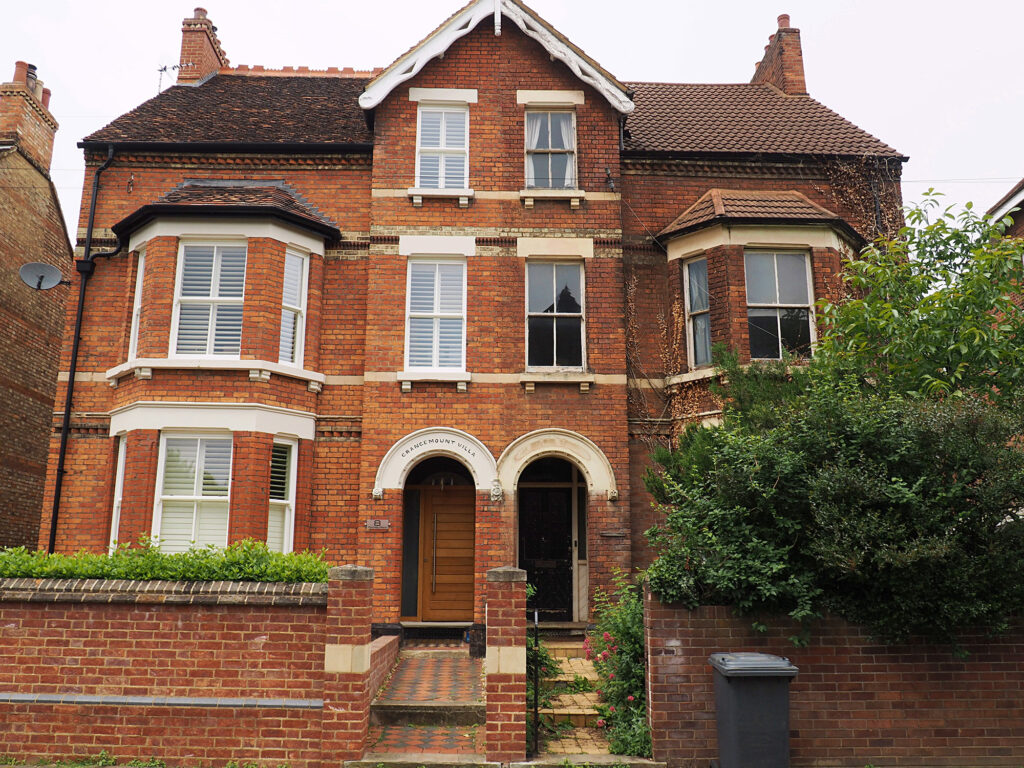
Windows are a prominent feature of a house, both inside and out.
Buyers may not walk into a property specifically looking for new windows, but they are likely to notice ones that need attention.
Windows can have a huge influence on the appearance of a property.
Changing tired or unsuitable frames can transform a home’s exterior, particularly when the proportions, colour and style of the new windows complement the building.
There is now a huge amount of choice available, from traditional uPVC sliding sash windows for period properties to slim contemporary aluminium windows for modern homes and extensions.
Modern replacement windows can provide much better thermal performance than old or poorly performing glazing.
The right combination of frame and glazing can reduce unwanted heat loss and help make it easier to maintain a comfortable temperature inside the home.
If energy performance is particularly important to you, our guide to the best energy efficient windows looks at some of the options worth considering.
Security is another area where modern windows can improve on much older systems.
The frame, glazing and locking system all contribute to the overall security of a window.
For someone buying a property, knowing that old or visibly insecure windows have already been professionally replaced can mean one less job to worry about after moving in.
Older windows can become increasingly difficult to maintain, particularly if frames are deteriorating or require regular attention.
Modern uPVC windows and aluminium windows require relatively little maintenance, which can be another attractive feature for homeowners and prospective buyers.
Noise can have a major impact on how someone feels about a property, particularly close to a busy road, railway or town centre.
The right glazing specification can help reduce the amount of outside noise entering a home.
House of Glass can offer acoustic glass where noise reduction is an important consideration.
It’s worth discussing this when choosing your windows rather than assuming that simply adding another pane of glass will automatically provide the best acoustic performance.
They certainly can.
Condensation between the panes of a sealed unit, damaged frames, obvious draughts and windows that don’t open or close properly can all suggest to a prospective buyer that money will need to be spent after moving in.
Even where the windows remain functional, a design that looks badly dated or completely out of keeping with the property can affect the overall impression of the house.
Our guide to the signs your windows need replacing covers the most common problems to look out for.
It depends on their condition.
If your windows are relatively modern, secure and functioning properly, replacing the whole house immediately before selling may not make financial sense.
If they’re visibly failing, however, the calculation can be very different.
A buyer viewing a house with misted units, damaged frames and obvious draughts may factor the cost and inconvenience of replacing them into their decision.
You don’t necessarily need to replace every window either. If there are only one or two obvious problem areas, dealing with those may make more sense than replacing perfectly good windows elsewhere.
This is an area where straightforward advice matters.
House of Glass doesn’t use pushy sales tactics. If replacing something doesn’t make sense, we’d rather tell you.
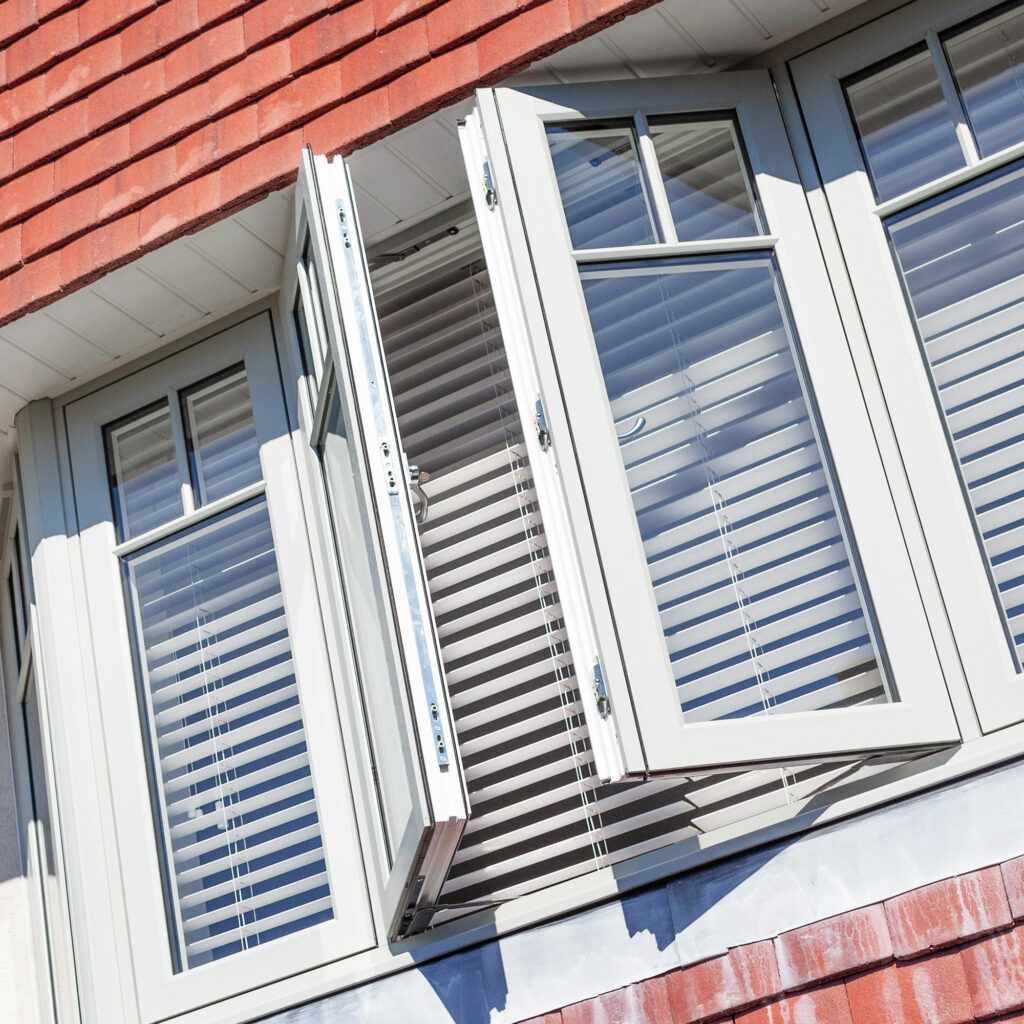
Double glazing is now something many buyers expect rather than an unusual premium feature.
If a property still has single glazing or very old double glazing, upgrading the windows can improve thermal performance, comfort, security and noise reduction.
That can make the property more attractive, but we’d be wary of attaching a specific percentage or cash value to the improvement.
The condition and suitability of the windows are usually more important than simply being able to say that the house has double glazing.
If you’re interested in the wider benefits, have a look at our guide to why choose double glazing for your home.
There isn’t one window material that’s right for every home.
uPVC windows remain an excellent choice for many properties.
They’re versatile, energy efficient, relatively low maintenance and available in a wide choice of styles and finishes.
They can work with everything from relatively modern homes to properties where a more traditional appearance is required.
Aluminium windows offer slimmer frames and contemporary styling, making them particularly attractive for modern properties, renovations and extensions with larger areas of glazing.
The strength of aluminium allows for slim sightlines and generous areas of glass, while modern systems provide excellent thermal performance.
If aluminium is on your shortlist, our guides to are aluminium windows worth it? and how long do aluminium windows last? answer two of the most common questions homeowners ask us.
For older properties, uPVC sliding sash windows can retain the proportions and character associated with traditional sash windows while providing the benefits of a modern window system.
The important thing is to choose a window that works with the architecture of the property rather than simply choosing whichever option happens to be fashionable.
If you’re deciding between the two most popular frame materials, we’ve also compared the benefits of aluminium windows vs uPVC.
Absolutely.
More expensive doesn’t automatically mean more appropriate.
Slim aluminium frames can look fantastic on a contemporary extension but they won’t necessarily be the right choice for every elevation of every period property.
Equally, a very traditional window design can look out of place on a contemporary home.
Colour, frame proportions, opening configuration and the amount of visible frame all influence the finished appearance.
For period properties in particular, sympathetic window choices can help retain the character that made the home attractive in the first place.
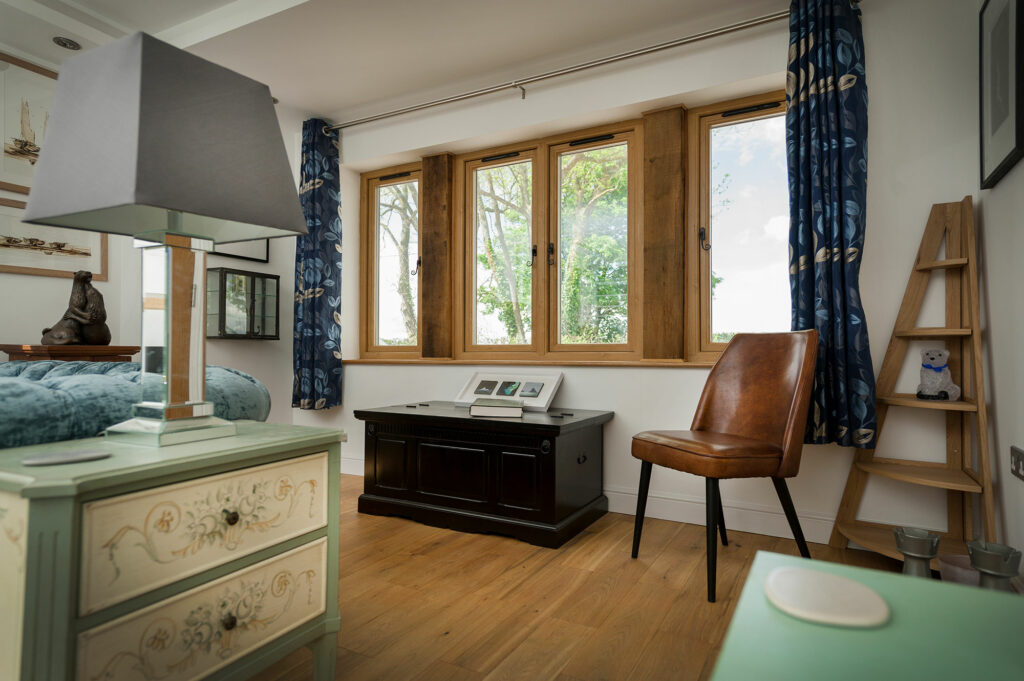
The installation matters just as much as the window itself.
House of Glass is FENSA registered and qualifying installations come with a 10 year insurance backed guarantee, giving you additional peace of mind after the work is completed.
Documentation relating to replacement windows can also be relevant when you eventually sell the property, so it’s sensible to keep certificates and guarantees somewhere safe.
The value of replacement windows isn’t limited to what an estate agent might put on your property.
You get to live with them.
Warmer rooms, reduced outside noise, improved security, easier operation, lower maintenance and a better looking home can all have value long before you consider selling.
If your existing windows are performing perfectly well, there may be no urgency to replace them.
But if they’re draughty, damaged, misted or simply no longer doing the job you need them to do, replacement can make a considerable difference to everyday comfort.
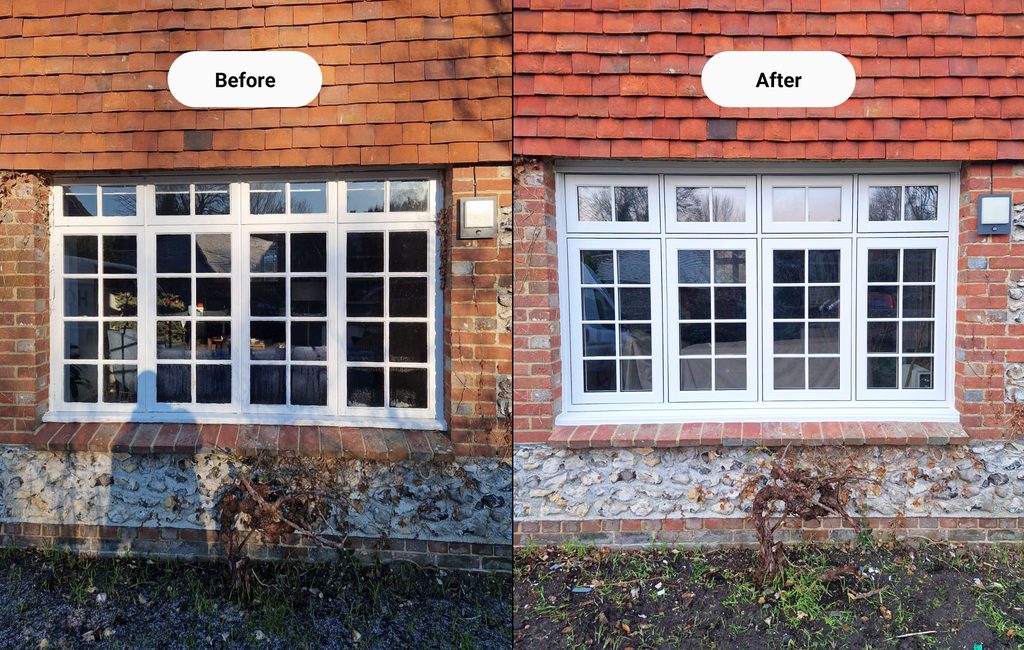
House of Glass supplies and installs replacement windows across Kent, East Sussex, West Sussex, South East London and South Essex.
We’re a family run company with our own experienced in house fitters. We offer free no obligation quotes, with no pushy sales tactics and no inflated starting prices to negotiate down. Our first price is our best price.
Whether you’re considering uPVC windows, aluminium windows or sliding sash windows, we’ll happily talk you through the options and help you find something that suits your home.
If your conservatory is too hot in summer, cold in winter or simply starting to show its age, you might be wondering whether the whole structure needs to be replaced. The good news is that, in many cases, it doesn’t.
It is often possible to replace or upgrade a conservatory roof while keeping the existing frames, windows, doors and base. The right approach depends on the condition of the existing conservatory, the type of roof currently fitted and what you want to achieve from the room.
If you’re already considering an upgrade, you can explore our conservatory roof replacement options, or read on to find out when replacing just the roof may be possible.
Yes. Providing the existing conservatory is structurally suitable and in good condition, replacing just the roof can often be an option.
Before deciding, the existing conservatory should be properly assessed. The condition and age of the frames, supporting structure and base all need to be considered, particularly if the proposed new roof differs significantly from the original one.
If the windows, doors and main structure are still performing well, there may be little reason to remove them simply because the roof needs attention.
This is why a roof upgrade can be a useful middle ground between living with an uncomfortable old conservatory and replacing the entire structure.
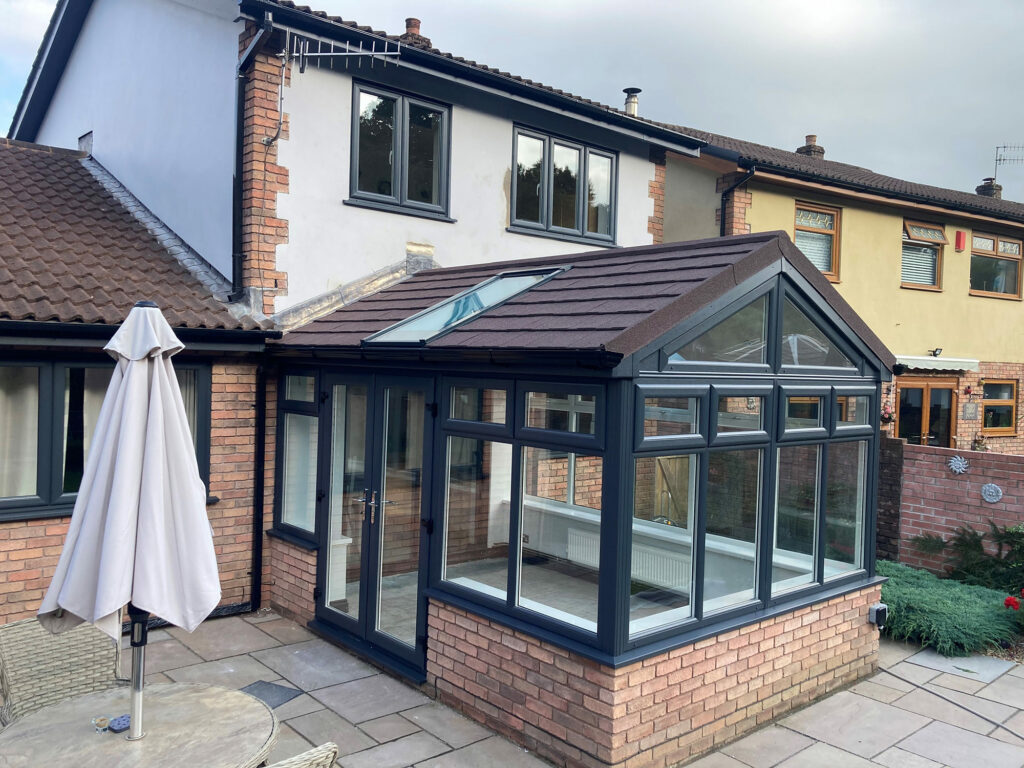
Not necessarily.
If the main structure is sound, upgrading the roof could address many of the issues that make an older conservatory uncomfortable to use.
Common problems include a conservatory that becomes excessively hot in sunny weather, loses heat quickly during winter, suffers from glare or becomes particularly noisy during rainfall.
If the windows, doors, frames or base are also deteriorating, a more extensive conservatory upgrade may make better sense.
The important thing is to look at the condition of the conservatory as a whole rather than assuming either that everything needs replacing or that fitting a new roof will solve every problem.
There isn’t a set age at which every conservatory roof needs to be replaced.
Instead, look at how the room is actually performing.
It may be worth considering an upgrade if your conservatory is:
If heat is the main issue, our guide to keeping a conservatory cool in summer looks at this in more detail.
Yes, subject to the condition and suitability of the existing structure.
Older polycarbonate roofing is one of the common reasons homeowners start looking at conservatory upgrades. While polycarbonate is lightweight and was widely used on conservatories, older roofs can offer relatively poor thermal and acoustic performance compared with modern alternatives.
You don’t necessarily have to replace the whole conservatory to address this.
Depending on the existing roof and what you want from the room, options can include replacing the existing panels with insulated Thermo Panels, installing a modern glass roof or moving to a complete warm roof system.
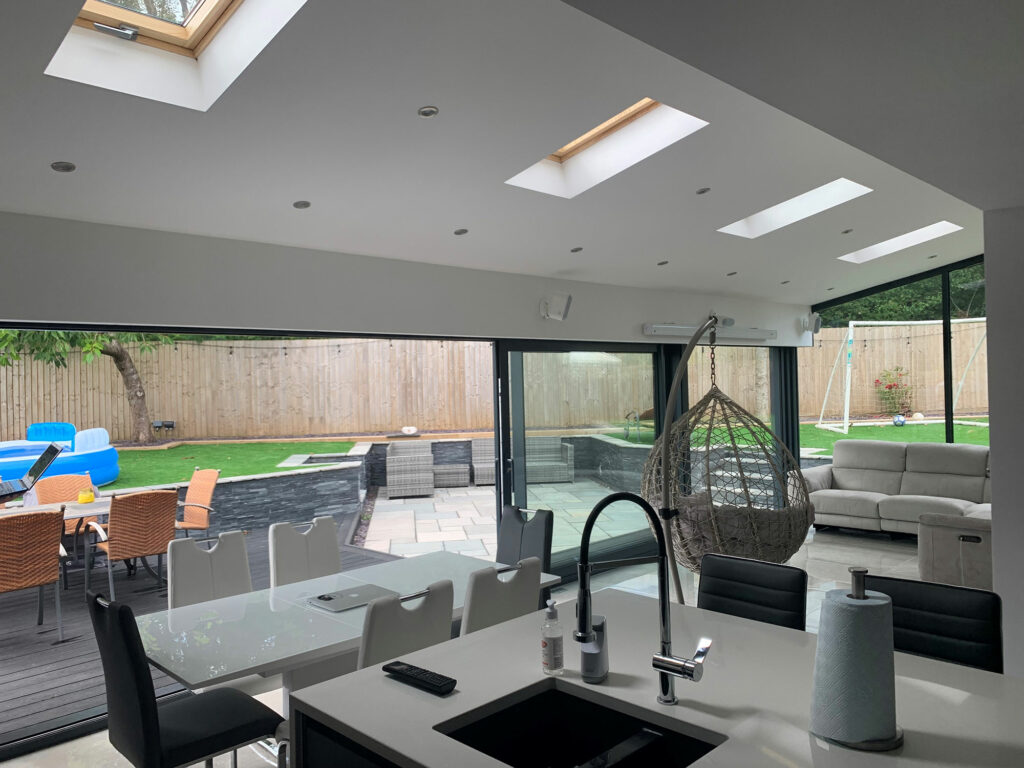
Yes. An older glass conservatory roof can also be replaced or upgraded without necessarily replacing the rest of the conservatory.
If maintaining natural light is particularly important, a modern glass conservatory roof may be the most suitable option.
Alternatively, homeowners who want greater insulation or a room that feels more like part of the main house may consider insulated panels or a complete warm conservatory roof.
There isn’t one option that’s automatically better. It depends on the conservatory and how you want to use it.
This is where replacing a conservatory roof isn’t necessarily as simple as choosing between glass and a solid roof.
There are different levels of upgrade available.
Thermo Panels can provide an option where the existing roof structure is suitable but the glass or polycarbonate panels themselves are contributing to poor temperature control, glare or rain noise.
The lightweight insulated panels are designed to replace existing glass or polycarbonate roof panels within a suitable conservatory roof structure.
They use an XPS insulation core between PVC outer layers, providing a way to improve the performance of an existing roof without necessarily installing a completely new roofing system.
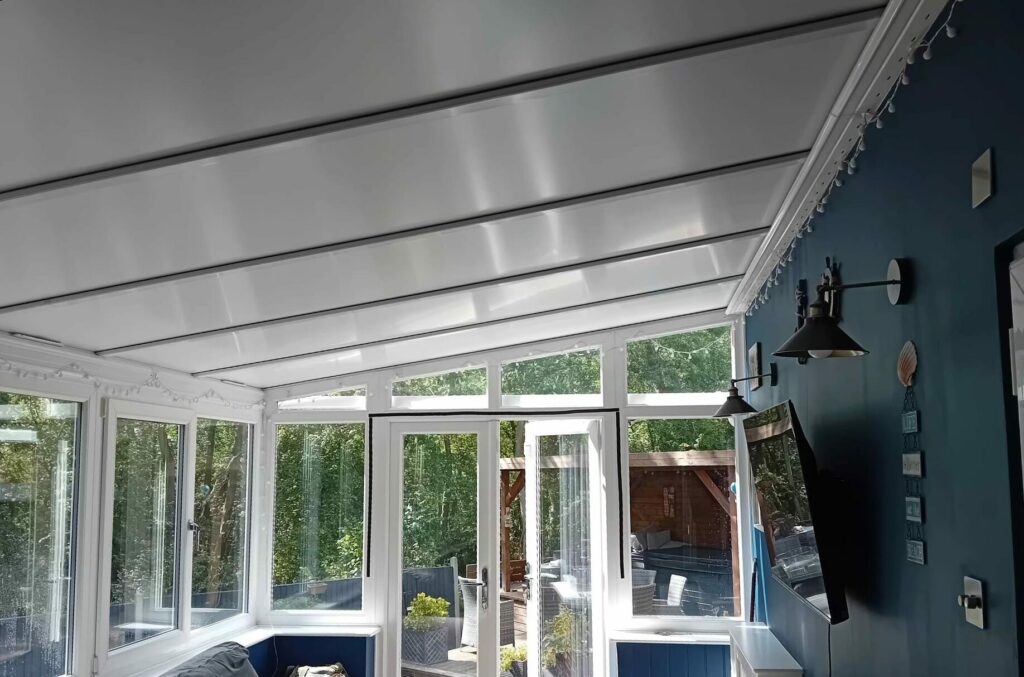
For the right conservatory, insulated conservatory roof panels can therefore offer a relatively straightforward upgrade.
If one of the things you love about your conservatory is the amount of natural light it provides, you may prefer to retain a glazed roof.
Modern glass conservatory roofs offer a significant step forward from many older roofing systems.
House of Glass can supply Supalite S2 glass roofing, with solar controlled glazing also available where managing heat from the sun is particularly important.
This can be a good option when you want to update an ageing conservatory while retaining its bright and open character.
For homeowners looking for a more substantial transformation, a warm conservatory roof can create a room that feels much closer to a conventional part of the home.
House of Glass installs Supalite warm roof systems, with an insulated roof construction and an internal ceiling finish.
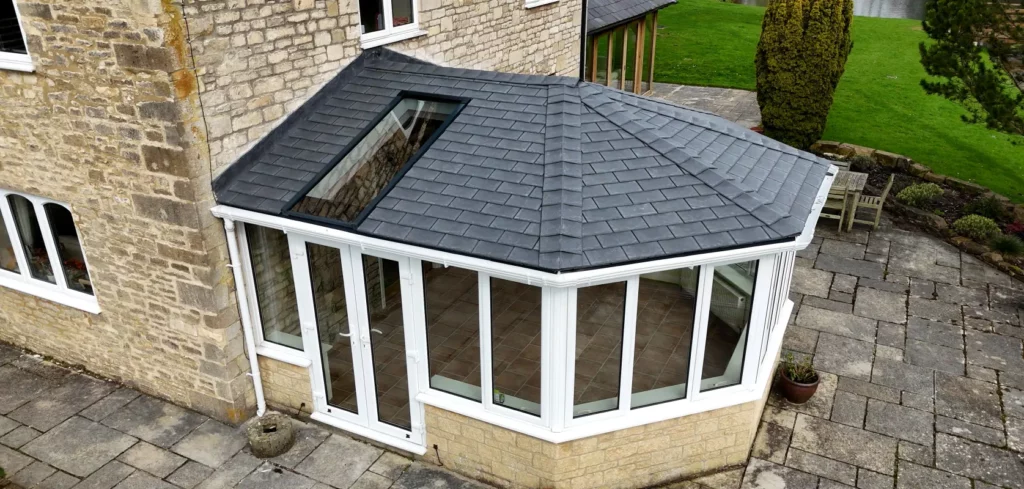
This is a more comprehensive roof upgrade than simply replacing individual roof panels, so the suitability of the existing conservatory needs to be properly assessed.
You can find out more about the process in our easy guide to conservatory roof replacement.
No. If the existing windows and doors are in good condition, there may be no reason to replace them as part of a roof upgrade.
However, it makes sense to consider the conservatory as a complete room.
If the existing glazing is misted, the frames are damaged or the windows and doors are draughty, improving the roof while ignoring other significant areas of heat loss may limit the overall benefit.
Our guide to the signs your windows need replacing explains some of the common problems to look for.
An insulated roof can improve the thermal performance of an older conservatory roof, but it is important to look at the whole structure.
The roof is only one part of the room. The performance of the windows, doors and floor, along with the orientation of the conservatory and how it is heated, will all affect how comfortable it feels.
This is why we’d rather assess the existing conservatory and recommend an appropriate solution than promise that changing the roof alone will magically turn every conservatory into a perfectly insulated room.
The right roof can help with overheating, but again, there are several factors involved.
A warm roof significantly changes the amount of direct sunlight entering through the roof, while insulated Thermo Panels can help reduce solar heat and glare through existing roof sections.
For homeowners who want to retain a glass roof, solar controlled glazing can help manage solar heat gain while retaining natural light.
The orientation of the conservatory, surrounding shade and the amount of glazing elsewhere in the room will also affect summer temperatures.
Whether permission or Building Regulations approval is required will depend on the existing conservatory, the property and the work being undertaken.
Changing the construction or weight of a roof can also mean that the existing structure needs to be assessed for suitability.
It’s therefore better to look at the individual conservatory rather than assume the same rules or solution apply to every property.
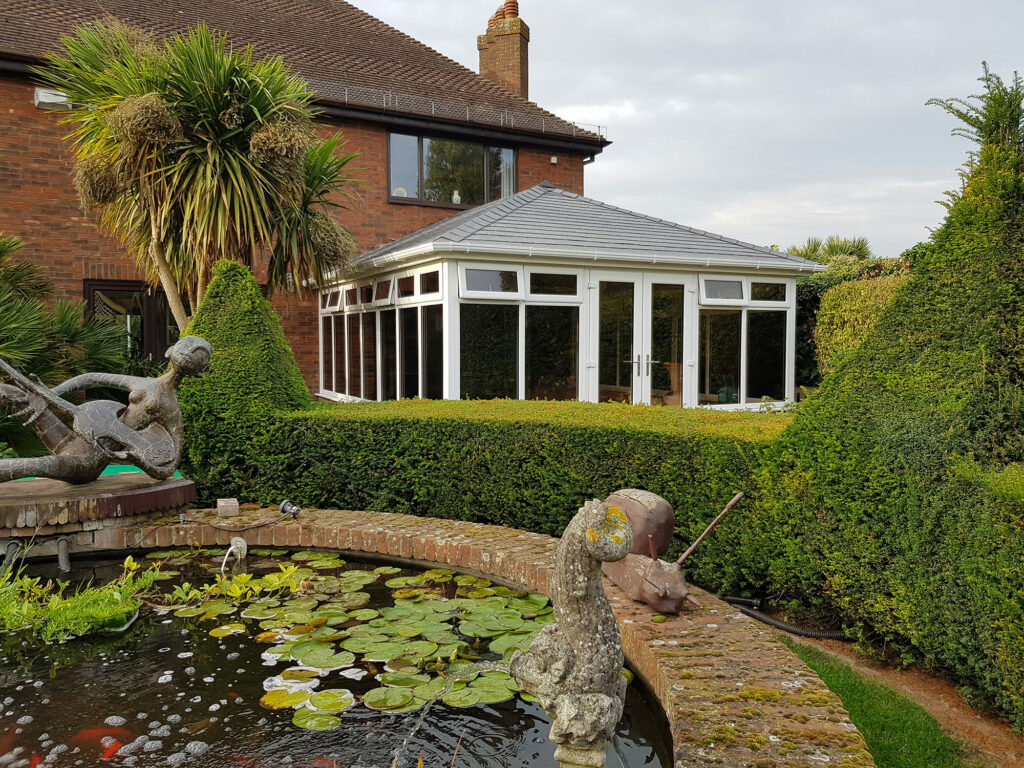
If the existing conservatory is otherwise in good condition, absolutely replacing the entire structure may be unnecessary.
Upgrading the roof can address one of the biggest weaknesses of an older conservatory while allowing you to retain parts of the structure that are still perfectly serviceable.
However, if the frames, glazing, doors and base are all reaching the end of their useful life, investing heavily in the roof alone may not be the best approach.
This is where an experienced assessment is useful. Sometimes the answer is a straightforward panel upgrade. Sometimes it’s a new glass roof or warm roof. And sometimes a more extensive new conservatory upgrade makes better long term sense.
If you’re considering making more substantial changes to your home, you may also find our guide to orangery vs extension useful.
House of Glass is a family run company carrying out conservatory roof replacement and conservatory upgrades across Kent, East Sussex, West Sussex, South East London and South Essex.
We can assess your existing conservatory and talk you through the available options, including Thermo Panels, Supalite warm roofs and Supalite S2 glass roofing.
There are no pushy salespeople and no inflated starting prices to negotiate down. Our first price is our best price.
Get in touch for a free no obligation quote and we’ll help you work out the most suitable option for your conservatory.
Windows play an important role in keeping your home warm, secure and comfortable, but like any part of a property, they will not last forever. While some issues can be repaired, there comes a point where replacement becomes the more practical and cost effective option.
The challenge is that windows rarely fail overnight. In most cases, the signs appear gradually, whether that is increasing draughts, condensation problems, difficulty opening and closing the frames or rising energy bills. Understanding what to look for can help you decide whether a repair is sufficient or whether it might be time to consider talking to a replacement window installer.
One of the most common signs that windows may need replacing is the presence of noticeable draughts. If you can feel cold air around the edges of the frame, particularly during the winter months, it may indicate that seals have deteriorated or that the window is no longer performing as it should.
Older windows can become less effective at preventing heat loss over time, making rooms harder to heat and potentially contributing to higher energy bills. While replacement seals can sometimes solve the issue, persistent draughts are often a sign that the window has reached the end of its useful life.
If energy efficiency is a particular concern, you may find our guide to the best energy efficient windows helpful.
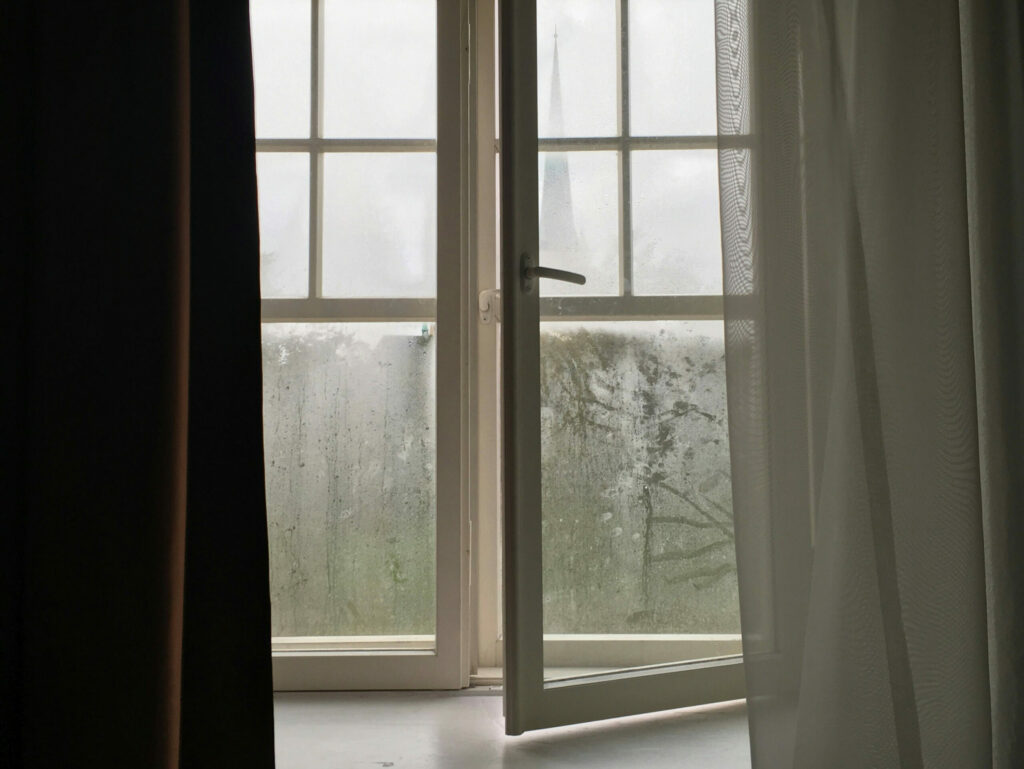
Many homeowners assume that any condensation means their windows need replacing, but this is not always the case.
Condensation on the inside of the glass is often caused by moisture levels and ventilation within the home. However, condensation trapped between the panes of a double or triple glazed unit is a different matter entirely. This usually indicates that the sealed unit has failed, allowing moisture to enter the gap between the panes.
In some cases, the glass unit can be replaced without changing the entire window. However, if multiple units are failing or the frames are also showing signs of age, it may be worth considering a full replacement.
Windows should operate smoothly and securely. If they become difficult to open, stick in certain positions or no longer close properly, it can be frustrating as well as a potential security concern.
There are several possible causes, including worn hinges, failed mechanisms or frames that have shifted over time. While some of these issues can be repaired, recurring problems may indicate that the window is reaching the end of its lifespan.
This is particularly important for windows that are relied upon as emergency escape routes, such as those found in bedrooms. You’ll also find that old timber sash windows can often fail, stick or the balance weights break. We often replace old timber sash windows with new, replacement uPVC Sash Window alternatives.
Physical damage is another obvious sign that replacement may be worth considering. Depending on the material and age of the windows, this could include cracks, warping, rot, corrosion or general deterioration.
Small cosmetic issues are not always a cause for concern, but damage that affects the structure or performance of the window should not be ignored. Left untreated, these problems can worsen over time and lead to more expensive repairs.
Modern window systems are designed to be more durable than older products, with both uPVC and aluminium options offering excellent longevity when properly installed and maintained.
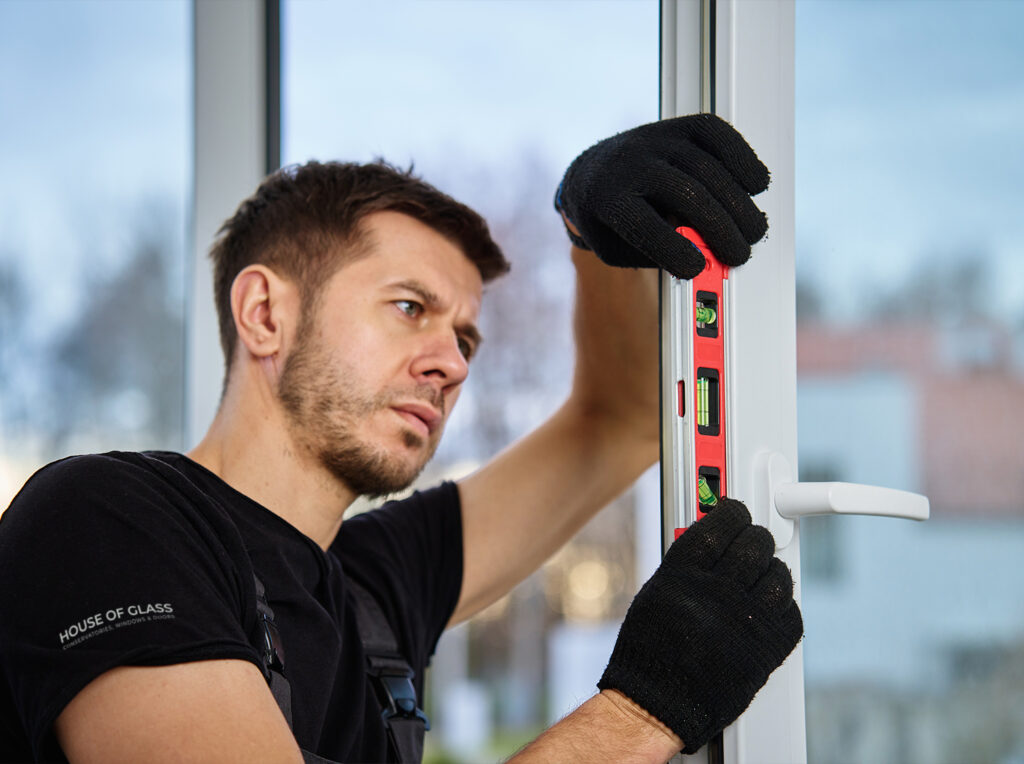
If you have noticed that outside noise seems more noticeable than it used to be, your windows may not be performing as effectively as they once did.
Older glazing units and worn seals can allow more sound to pass into the home. Modern windows, particularly those fitted with high performance double or triple glazing, can significantly improve acoustic performance and help create a quieter indoor environment.
This can be particularly beneficial for properties located near busy roads, schools or transport links.
While energy prices are influenced by many factors, ageing windows can contribute to unnecessary heat loss. Older glazing and deteriorating seals can make it more difficult to maintain a comfortable temperature inside the home, resulting in heating systems having to work harder.
If your home feels colder than it should, despite having adequate insulation and heating, your windows may be part of the problem.
Modern window systems are designed to meet much higher thermal performance standards than those installed twenty or thirty years ago, helping to improve comfort and reduce heat loss.
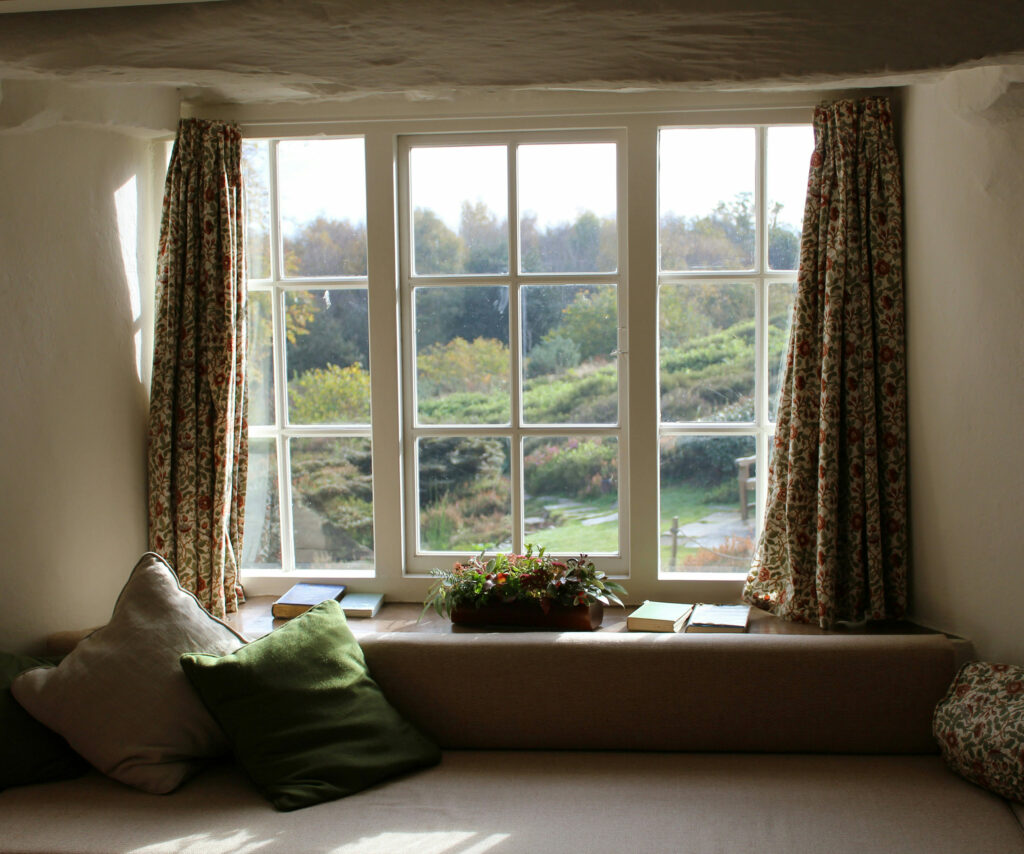
Not every window replacement is driven by performance issues. In some cases, homeowners simply want to improve the appearance of their property.
Perhaps you are planning an extension, renovating an older home or updating a property that still has outdated windows installed decades ago. New windows can transform the look of a home, improve kerb appeal and better complement modern design features.
Materials such as aluminium have become increasingly popular for homeowners looking to achieve slimmer frames and larger areas of glass. If you are considering this option, you may also be interested in our guide to whether aluminium windows are worth it.
Not every issue requires a full replacement. In some situations, replacing a sealed unit, fitting new hinges or carrying out minor repairs can restore performance and extend the life of a window.
However, when multiple problems begin to appear, such as failed glazing units, recurring draughts, damaged frames and poor thermal performance, replacement often becomes the more sensible long term solution.
The best approach is usually to assess the condition of the windows as a whole rather than focusing on a single issue in isolation.
If you believe your windows may be reaching the end of their lifespan, it can be helpful to explore the different replacement options available. Factors such as material, glazing specification, appearance and energy efficiency can all influence the right choice for your home.
Our windows page provides an overview of the different styles and materials available, including uPVC windows and aluminium windows.
There is rarely a single sign that tells you it is time to replace your windows. More often, it is a combination of factors such as draughts, condensation issues, difficulty operating the windows, visible damage and declining energy efficiency.
If several of these problems are becoming familiar, it may be worth exploring whether replacement windows could improve comfort, performance and the overall appearance of your home.
How often should windows be replaced?
The lifespan of a window depends on the material, quality and installation. Many modern windows can last several decades before replacement becomes necessary.
Is condensation a sign that I need new windows?
Condensation between the panes of glass usually indicates a failed sealed unit. Condensation on the inside of the glass is more commonly related to ventilation and humidity levels within the home.
Can failed double glazing be repaired?
In many cases, the sealed glass unit can be replaced without changing the entire window frame.
Do new windows improve energy efficiency?
Modern windows are generally far more thermally efficient than older systems and can help reduce heat loss when properly specified and installed.
Aluminium windows are known for their strength and longevity, making them a popular choice for homeowners looking for a longer term solution. But how long do they actually last in real world conditions?
In this guide, we break down the typical lifespan of aluminium windows, what affects their durability and how they compare to other materials such as uPVC.
Aluminium windows are known for their durability and strength, and when properly installed, they can last for several decades without significant deterioration. In most cases, you can expect aluminium windows to last somewhere between 30 and 45 years, and often longer depending on the environment and how well they are maintained. This makes them one of the longer lasting options available and a popular choice for homeowners looking to invest in their property over the long term rather than opting for a shorter replacement cycle.
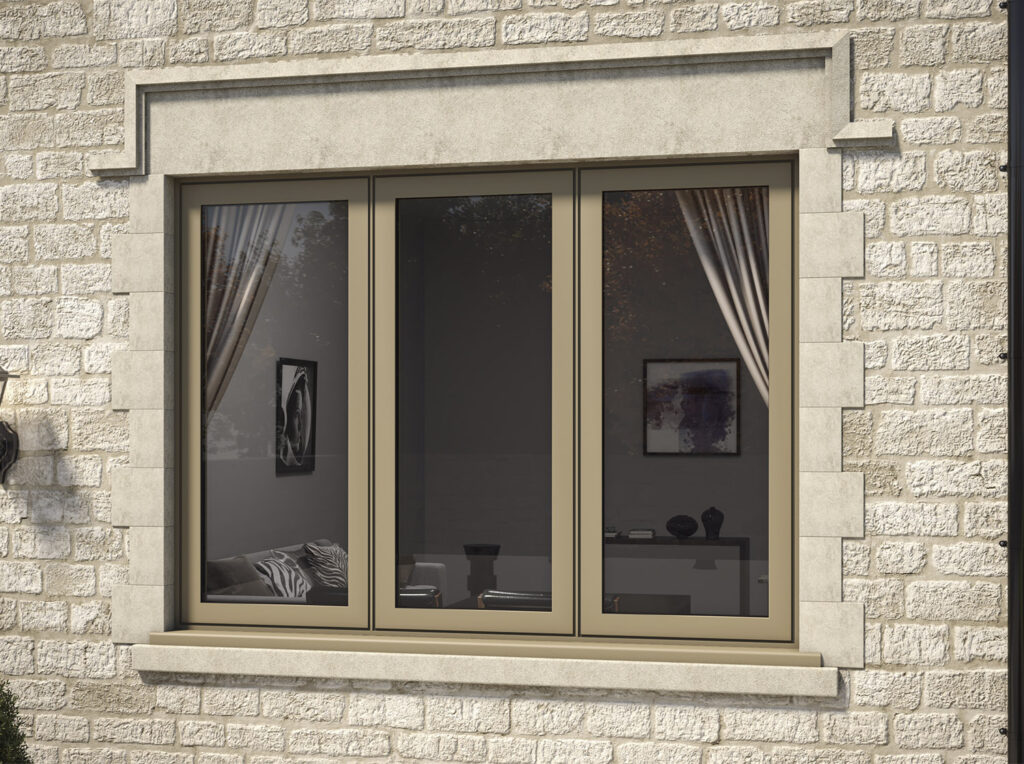
The longevity of aluminium windows comes down to the properties of the material itself, combined with modern manufacturing methods and finishes that are designed to withstand everyday use and exposure to the elements.
Aluminium is naturally strong and stable, meaning it does not expand, contract or warp to the same extent as some other materials when temperatures change. This helps frames maintain their shape over time, which in turn supports the performance of the glazing and seals. Modern aluminium windows are also finished using powder coating, which provides a durable outer layer that protects against moisture, UV exposure and general weathering, helping to preserve both appearance and structural integrity over many years.
One of the reasons aluminium windows tend to last so long is that they require very little ongoing maintenance. Unlike timber frames, there is no need for repainting or regular treatment, and they are not prone to issues such as rot or swelling. In most cases, occasional cleaning of the frames and glass, along with keeping moving parts such as hinges and tracks clear of debris, is enough to keep them functioning as expected.
Over time, components such as seals or glazing units may need attention before the frame itself, but this is typical across most window types and does not usually impact the overall lifespan of the aluminium frame.
Although aluminium is a highly durable material, there are still a few factors that can influence how long your windows will last in practice.
The quality of the system itself plays a role, as well engineered systems such as AluK are designed to perform consistently over time. Installation is equally important, as poorly fitted windows can lead to issues such as drafts, water ingress or unnecessary strain on the frame. Environmental conditions can also have an impact, particularly in more exposed locations where windows are subject to higher levels of wind, rain or airborne salt.
In addition, while the aluminium frame is built to last, elements such as seals and glazing units may require replacement at some point to maintain thermal performance, which is something to be aware of when thinking long term.
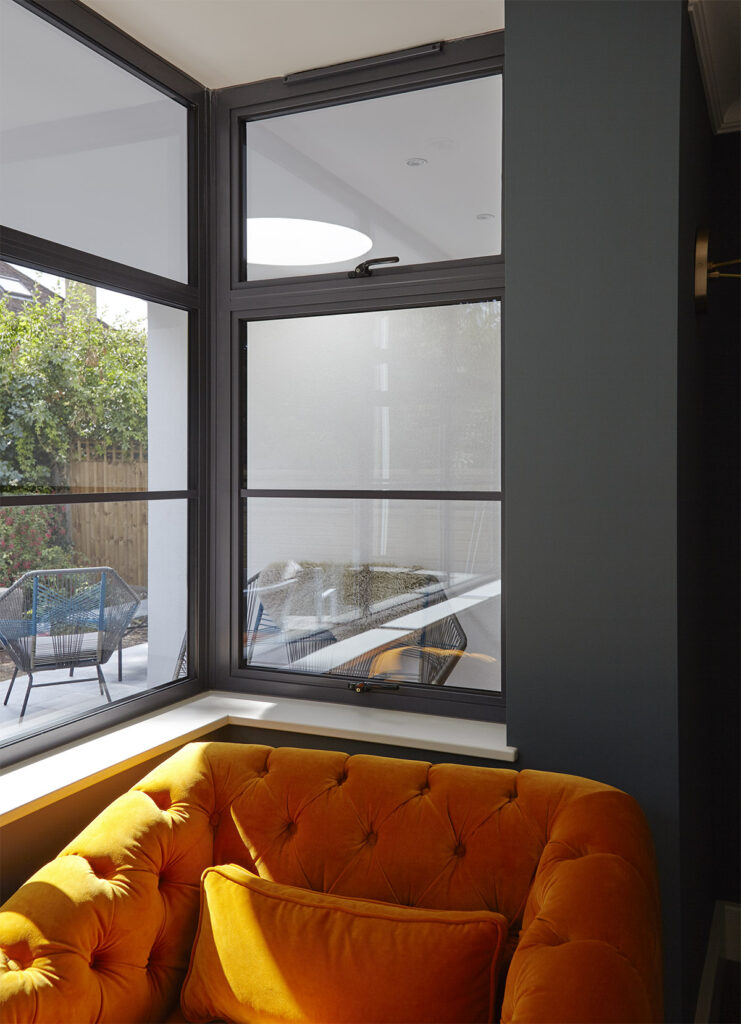
When comparing lifespan, aluminium windows generally outlast uPVC. While uPVC windows typically last around 20 to 30 years, aluminium windows can often last 30 to 45 years or more, making them a stronger long term option for many homeowners. However, lifespan is just one part of the decision, and factors such as cost, appearance and maintenance should also be considered.
If you are weighing up both materials in more detail, you can read our guide to the benefits of aluminium windows vs uPVC.
Modern aluminium windows are designed to retain both their performance and appearance over time. The powder coated finish used on most systems helps protect against fading, chipping and general wear, even when exposed to sunlight and changing weather conditions. While no material is completely immune to ageing, aluminium tends to hold up well compared to many alternatives, particularly when basic maintenance is carried out.
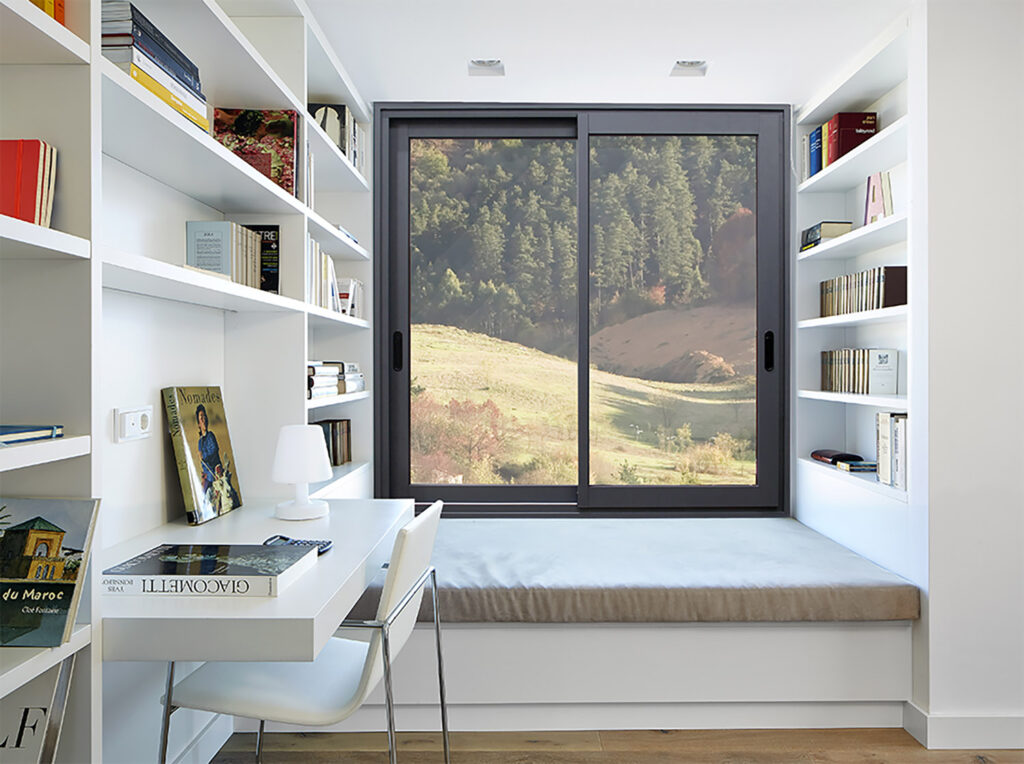
Because of their lifespan and durability, aluminium windows are often seen as a longer term investment. Although they typically come with a higher upfront cost than uPVC, their ability to maintain performance and appearance over time can make them more cost effective in the long run, particularly for homeowners who are planning to stay in their property.
If you are considering whether aluminium is the right choice overall, you can also read our guide on are aluminium windows worth it in 2026.
If you are considering replacing your existing windows, take a look at our aluminium replacement windows to explore the different styles, finishes and glazing options available.
In most cases, aluminium windows will last several decades, often outlasting other common window materials. Their strength, resistance to the elements and low maintenance requirements make them a reliable option for homeowners looking for a longer term solution, particularly where durability and consistent performance are important.
Do aluminium windows last longer than uPVC?
Yes, aluminium windows typically last longer than uPVC, often by 10 to 15 years or more depending on conditions and maintenance.
Can aluminium windows rust?
No, aluminium does not rust. It forms a protective oxide layer that helps prevent corrosion.
How often do aluminium windows need replacing?
In many cases, aluminium windows will not need replacing for 30 years or more, depending on installation quality and maintenance.
Do aluminium windows lose efficiency over time?
The frame itself remains stable, but glazing units and seals may need replacing over time to maintain efficiency.</p>
Aluminium windows have become increasingly popular, particularly for extensions and home renovations. But are they actually worth the extra cost, or are they more of a design trend? In this guide, we break down the key benefits, potential drawbacks and how aluminium compares to other materials, so you can decide what is right for your home.
Aluminium windows use slim metal frames instead of uPVC. Because aluminium is strong and lightweight, it allows for narrower frames and larger areas of glass. They are often chosen for more contemporary homes, but they are now being used across a wide range of property styles. Many modern aluminium systems, such as AluK, are designed to offer a balance between performance, appearance and longevity.
If you are still exploring options, our aluminium windows page looks at different styles and configurations in more detail.
One of the main reasons people choose aluminium is the slimmer frame profile. This allows more natural light into the home and creates a cleaner, less bulky appearance compared to traditional window styles.
Aluminium is naturally strong and resistant to warping, swelling or cracking. This makes it particularly well suited to exposed areas and for larger window designs where structural strength is important.
Unlike timber, aluminium does not require repainting or ongoing treatment. A simple clean is usually enough to keep frames looking good over time. If you’re interested in finding out more about their longevity you can read our blog post on how long do aluminium windows last here.
While aluminium is often associated with modern design, it can work just as well on more traditional properties depending on the colour and finish chosen.
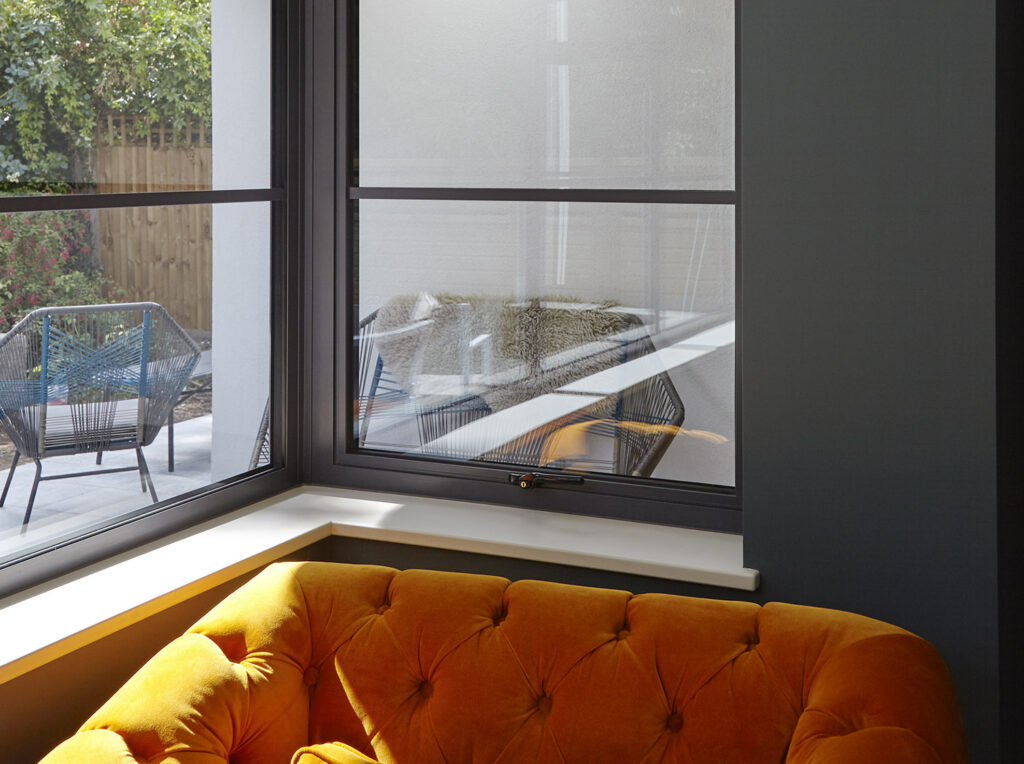
This is a common concern, especially if you have heard older aluminium systems were less efficient. Modern systems use thermal breaks and high performance glazing to reduce heat loss and improve overall efficiency. With the right specification, aluminium windows can meet current building regulations and provide good levels of thermal performance.
If energy efficiency is a key factor for you, it is also worth comparing materials in our guide to the benefits of aluminium windows vs uPVC. You can also explore how different window types perform in our guide to the best energy efficient windows.
Both aluminium and uPVC windows have their place, and the right choice depends on your priorities, budget and the type of project you are planning.
uPVC is typically more cost effective upfront and has become a widely used, reliable option across many different property types, making it a practical choice for standard replacements.
Aluminium, on the other hand, is often selected for its slimmer sightlines, which allow for larger glazed areas and a more contemporary overall appearance. It also lends itself well to modern designs and larger openings where strength and structure are important. Rather than one being better than the other, it usually comes down to what matters most for your home, whether that is upfront cost, aesthetics or long term performance.
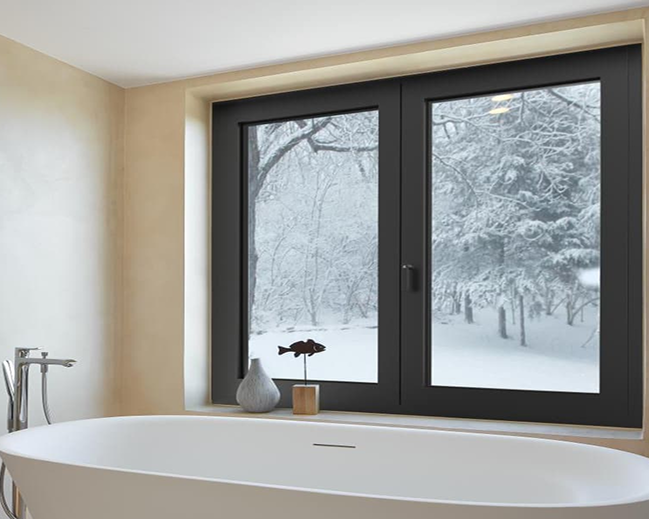
Aluminium windows are generally more expensive than uPVC, particularly when comparing like for like sizes and specifications. However, they are often viewed as a longer term investment rather than a short term solution.
Their strength, durability and resistance to wear mean they tend to maintain both their performance and appearance over time, with minimal upkeep required. This can make them a more cost effective option over the long run for some homeowners. For others, the decision comes down to priorities. If keeping initial costs lower is the main factor, uPVC may be the more suitable choice. If the focus is on longevity, design flexibility and achieving a slimmer, more contemporary finish, aluminium is often worth considering.
One of the biggest advantages of aluminium is its lifespan. When properly installed and looked after, aluminium windows can last for several decades without significant deterioration, making them one of the more durable options available. The material itself is naturally resistant to rust and corrosion, and unlike some alternatives, it does not warp, swell or twist with changes in temperature. This stability helps the frames maintain their shape and performance over time, even in more exposed conditions.
Combined with modern finishes such as powder coating, which protect against weathering and fading, aluminium windows are well suited to long term use with very little ongoing maintenance required.
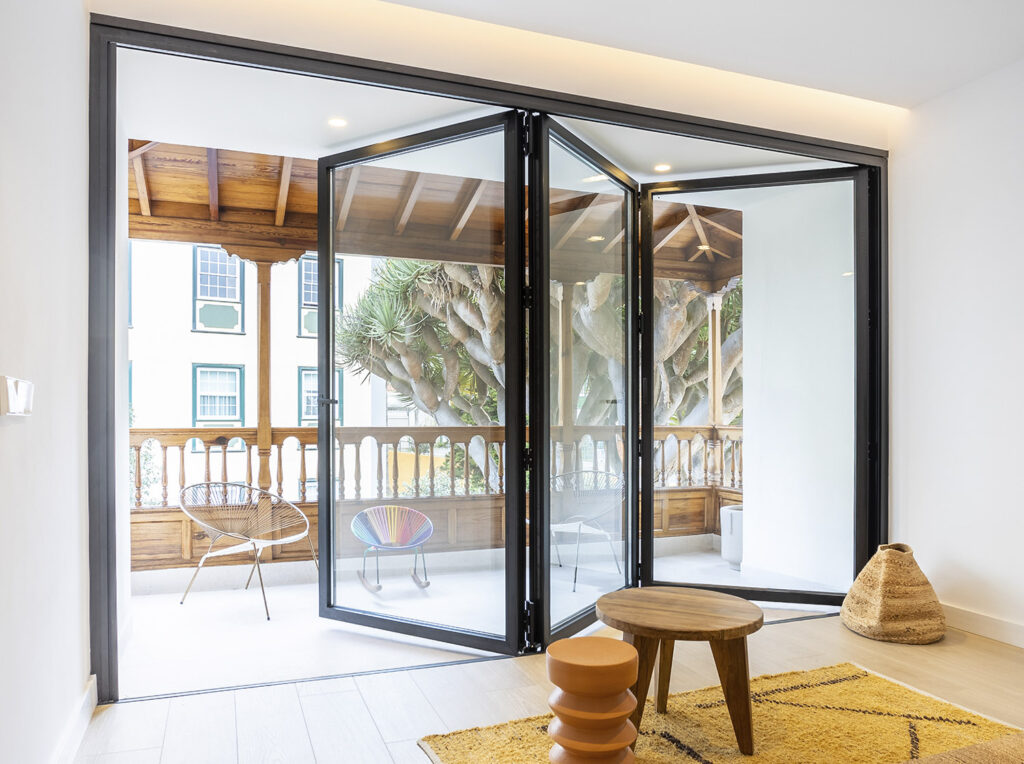
It is normal to have a few concerns when considering a different material. Here are some of the most common ones.
Modern aluminium systems include thermal breaks that reduce heat transfer, helping to keep warmth inside during colder months.
Condensation is usually linked to ventilation and humidity levels in the home rather than the window material itself.
Good glazing specification and airflow play a bigger role here.
With the right glazing, including acoustic glass if needed, aluminium windows can help reduce external noise just as effectively as other materials.
While aluminium is often linked to modern homes, it can work well on older properties too.
The key is choosing the right colour and finish. Softer tones or heritage style designs can help aluminium sit more comfortably alongside traditional features.
Aluminium windows are often a strong option depending on the type of project you are planning and the overall look you want to achieve. They are particularly well suited to extensions and renovations, where larger openings and more glass can help transform a space.
If you are looking to maximise natural light, achieve a slimmer and more contemporary finish, or create feature windows that make a statement, aluminium is often the preferred choice. Their strength also makes them ideal for wider spans and more ambitious designs that may not be possible with other materials.
They can also work well alongside other aluminium products, such as sliding or bifold doors, helping to create a consistent look throughout the property.
If you are still weighing up your options, it can help to look at different styles, configurations and glazing choices in more detail.
Our aluminium windows page covers the different designs available, along with finishes and performance options, to help you get a clearer picture of what might suit your home.
Aluminium windows are not the right choice for every home, but they offer clear advantages in terms of design flexibility, strength and lifespan.
Taking the time to compare materials and understand how they perform will help you make the right decision for your property.
Are aluminium windows better than uPVC?
They are not necessarily better, but they offer different benefits. Aluminium tends to suit projects where design, slim frames and durability are priorities, while uPVC is often more cost effective.
Do aluminium windows increase house value?
They can improve the overall appearance of a property, particularly in modern or renovated homes, which may make it more appealing to buyers.
Are aluminium windows worth the extra cost compared to uPVC?
For many homeowners, the longer lifespan and slimmer design justify the higher upfront cost, especially in larger or more design led projects.
Do aluminium windows require maintenance?
Very little. Occasional cleaning is usually enough to keep them in good condition.
Choosing a front door for a period home can feel tricky. How do you balance heritage charm with modern performance? Whether your house is in Rochester, Tunbridge Wells, Hastings or elsewhere across Kent and Sussex, this post will help you find styles that look right and perform well. At House of Glass, we supply composite doors, aluminium doors, and more, so let us walk through your options.
Period style doors are typically characterised by traditional proportions, elegant panel layouts, and features like stained or patterned glazing. The right door enhances kerb appeal while keeping in character with the building.
Key features to look for:
You may also find our post on which are the best energy efficient windows helpful when considering matching glazing.
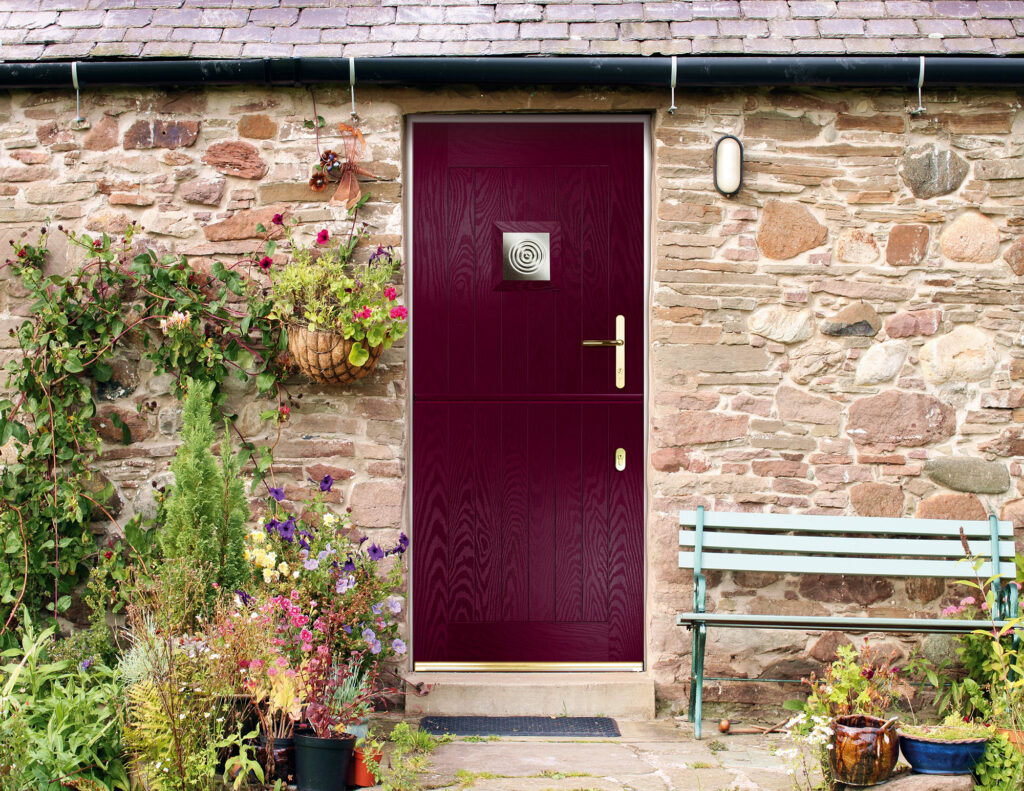
Composite doors are a great choice for period homes because they mimic the look of timber while offering better insulation and security. Made from a combination of materials, they are strong, weather resistant, and low maintenance.
Benefits:
Pair a composite door with acoustic glazing or solar control glass to enhance comfort and performance.
Want to explore different finishes and styles? Try our composite door designer to customise your ideal front door before you commit.
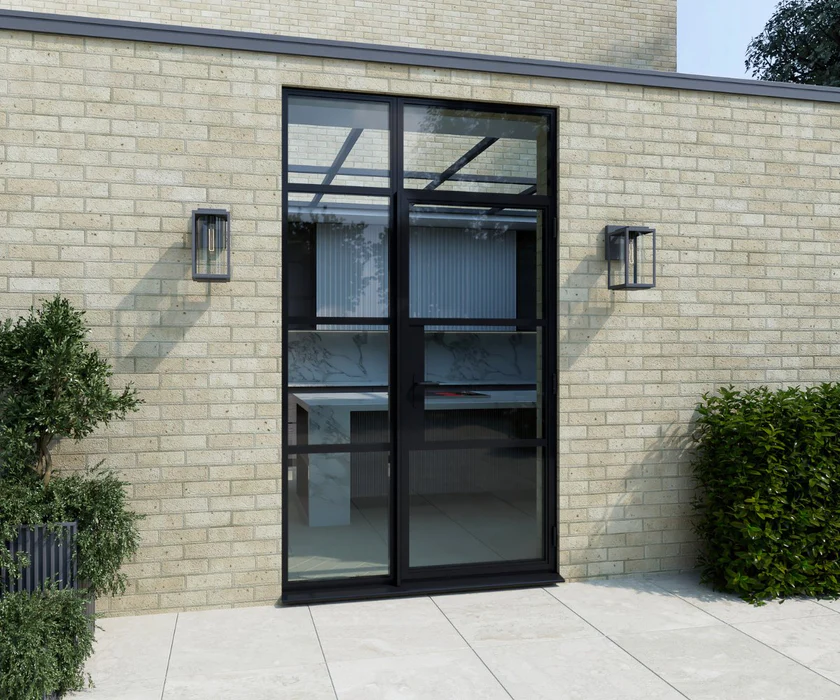
While often seen as a modern option, aluminium doors can work beautifully in period properties, especially when finished in a heritage colour or paired with traditional glazing.
Benefits:
Explore our range of aluminium doors and consider combining them with modern conservatories or orangery extensions for a balanced upgrade.
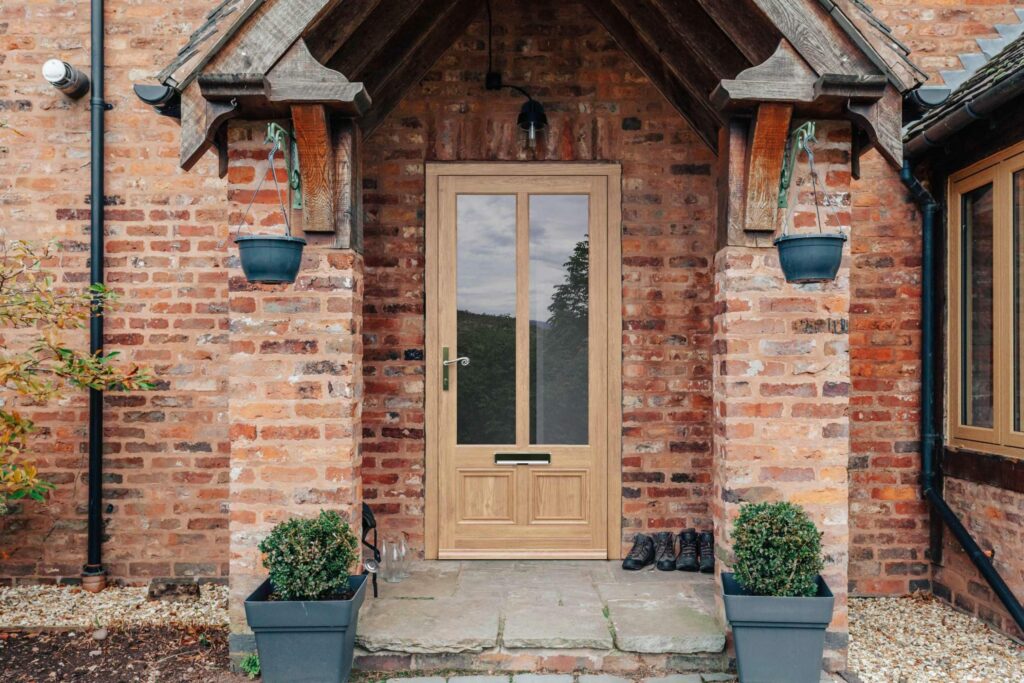
For period homes on a tighter budget, uPVC doors offer great performance and can be finished to resemble traditional timber. Timber effect finishes work especially well for Victorian and Edwardian properties.
Benefits:
Explore our range of uPVC doors, and consider flush casement windows or timber effect windows to complete the look.
When choosing a door for your period property, consider:
Use our quick checklist:
Do I need planning permission to replace my front door?
In most cases, no. As long as the door is a like for like replacement and does not alter the appearance of a listed building or property in a conservation area, permission is usually not required.
Can I install a composite door in a listed property?
Listed buildings often require specific materials or styles. We recommend checking with your local council’s conservation officer before installing a new door.
At House of Glass, we install composite, aluminium, and uPVC front doors across Kent, Sussex, and London. All our doors come with a ten year insurance backed guarantee, and our in house team is here to help you choose the perfect style for your home.
Do new windows add value to your home?
Can replacing your windows add value to your home? We look at kerb appeal, energy efficiency, buyer perception and whether it makes sense to replace your windows before selling.
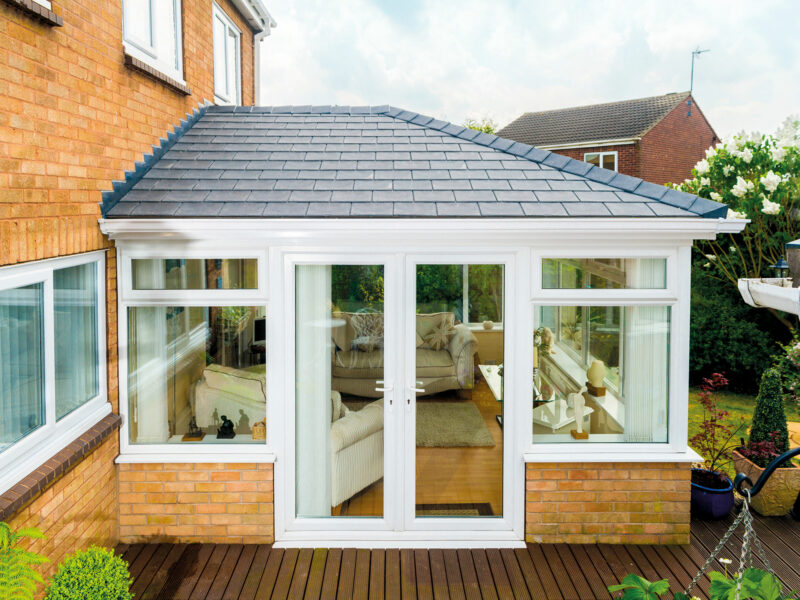
Can you replace a conservatory roof without replacing the whole conservatory?
You may not need to replace your whole conservatory to make it more comfortable. We look at when you can replace just the roof and compare Thermo Panels, glass and…
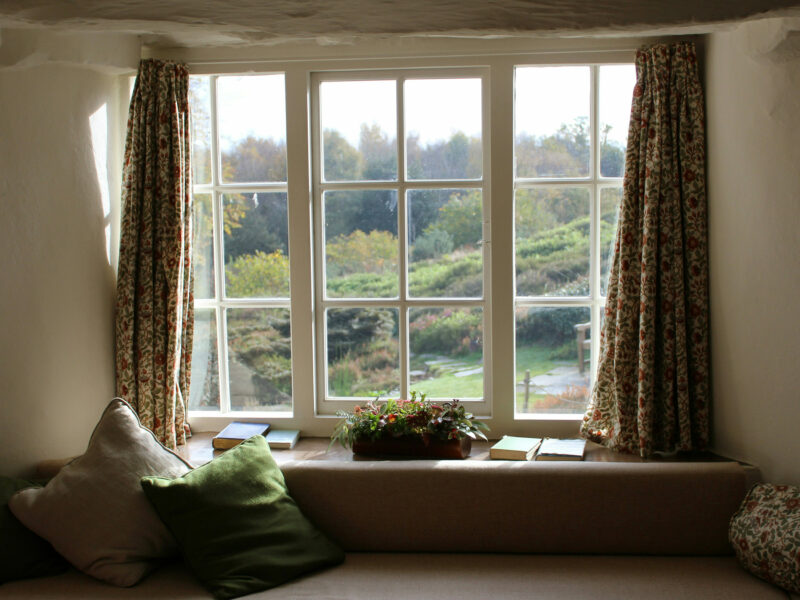
What are the signs your windows need replacing?
Not sure whether your windows need replacing? Discover the most common warning signs and when repair may no longer be the best option.