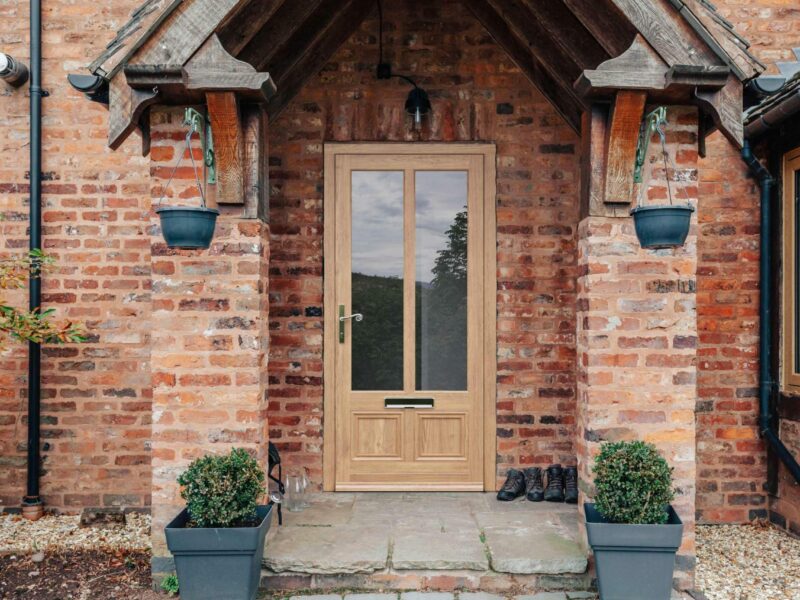
Best front door styles for period homes in the South East
Thinking about replacing your front door but unsure what style fits a period home in Kent or Sussex? In this post we explore classic and modern door styles including composite,…
Choosing a front door for a period home can feel tricky. How do you balance heritage charm with modern performance? Whether your house is in Rochester, Tunbridge Wells, Hastings or elsewhere across Kent and Sussex, this post will help you find styles that look right and perform well. At House of Glass, we supply composite doors, aluminium doors, and more, so let us walk through your options.
Period style doors are typically characterised by traditional proportions, elegant panel layouts, and features like stained or patterned glazing. The right door enhances kerb appeal while keeping in character with the building.
Key features to look for:
You may also find our post on which are the best energy efficient windows helpful when considering matching glazing.
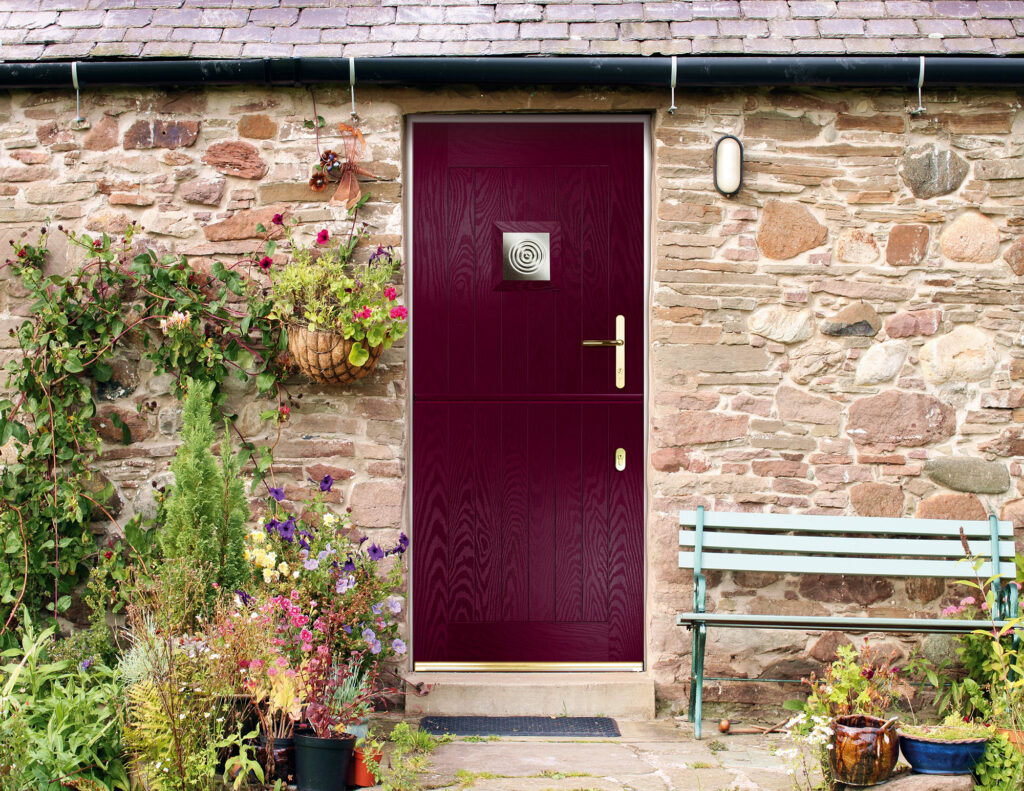
Composite doors are a great choice for period homes because they mimic the look of timber while offering better insulation and security. Made from a combination of materials, they are strong, weather resistant, and low maintenance.
Benefits:
Pair a composite door with acoustic glazing or solar control glass to enhance comfort and performance.
Want to explore different finishes and styles? Try our composite door designer to customise your ideal front door before you commit.
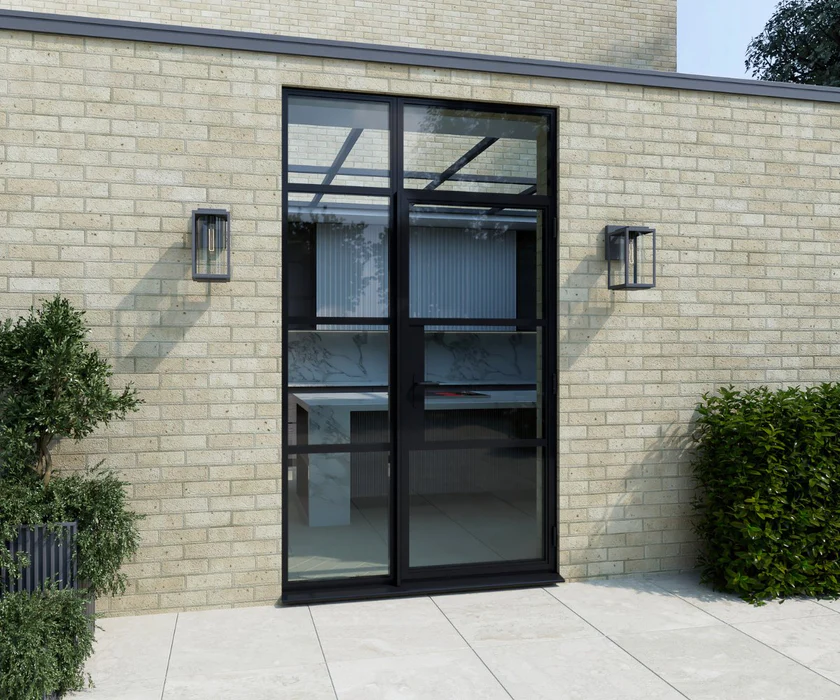
While often seen as a modern option, aluminium doors can work beautifully in period properties, especially when finished in a heritage colour or paired with traditional glazing.
Benefits:
Explore our range of aluminium doors and consider combining them with modern conservatories or orangery extensions for a balanced upgrade.
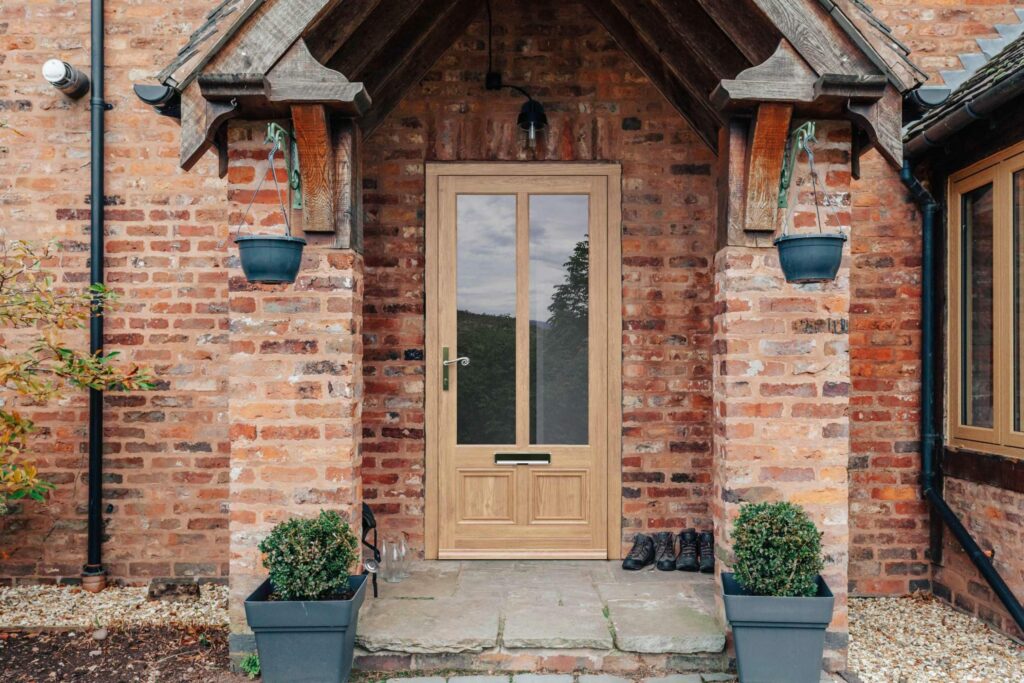
For period homes on a tighter budget, uPVC doors offer great performance and can be finished to resemble traditional timber. Timber effect finishes work especially well for Victorian and Edwardian properties.
Benefits:
Explore our range of uPVC doors, and consider flush casement windows or timber effect windows to complete the look.
When choosing a door for your period property, consider:
Use our quick checklist:
Do I need planning permission to replace my front door?
In most cases, no. As long as the door is a like for like replacement and does not alter the appearance of a listed building or property in a conservation area, permission is usually not required.
Can I install a composite door in a listed property?
Listed buildings often require specific materials or styles. We recommend checking with your local council’s conservation officer before installing a new door.
At House of Glass, we install composite, aluminium, and uPVC front doors across Kent, Sussex, and London. All our doors come with a ten year insurance backed guarantee, and our in house team is here to help you choose the perfect style for your home.
Best front door styles for period homes in the South East
Thinking about replacing your front door but unsure what style fits a period home in Kent or Sussex? In this post we explore classic and modern door styles including composite,…
What are the benefits of aluminium windows vs uPVC?
Wondering whether aluminium or uPVC windows are the right choice for your home? In this post, we break down the key differences and benefits of each option – from style…
How do I keep my conservatory cool in summer?
Fed up with your conservatory being too hot to use in summer? Discover practical fixes, energy efficient upgrades, and expert advice on keeping your conservatory cool across Kent and the…
Choosing the right windows for your home is a big decision. Whether you are replacing ageing frames or planning an extension, it is natural to wonder whether aluminium or uPVC windows are the better option.
Both materials offer great performance, but they come with different strengths. At House of Glass, we supply and install high quality aluminium windows from Cortizo and uPVC windows from Eurocell – so we can give you an honest view of both.
uPVC (unplasticised polyvinyl chloride) is a type of durable plastic that has been widely used in British homes since the 1980s. It is low maintenance, weather resistant, and one of the most affordable options on the market.
Aluminium, on the other hand, is a sleek, slimline frame option that is stronger and longer lasting than uPVC. Thanks to modern thermal break technology, aluminium windows are now just as energy efficient too.
Still comparing glazing performance? You might also like our blog on which are the best energy efficient windows.
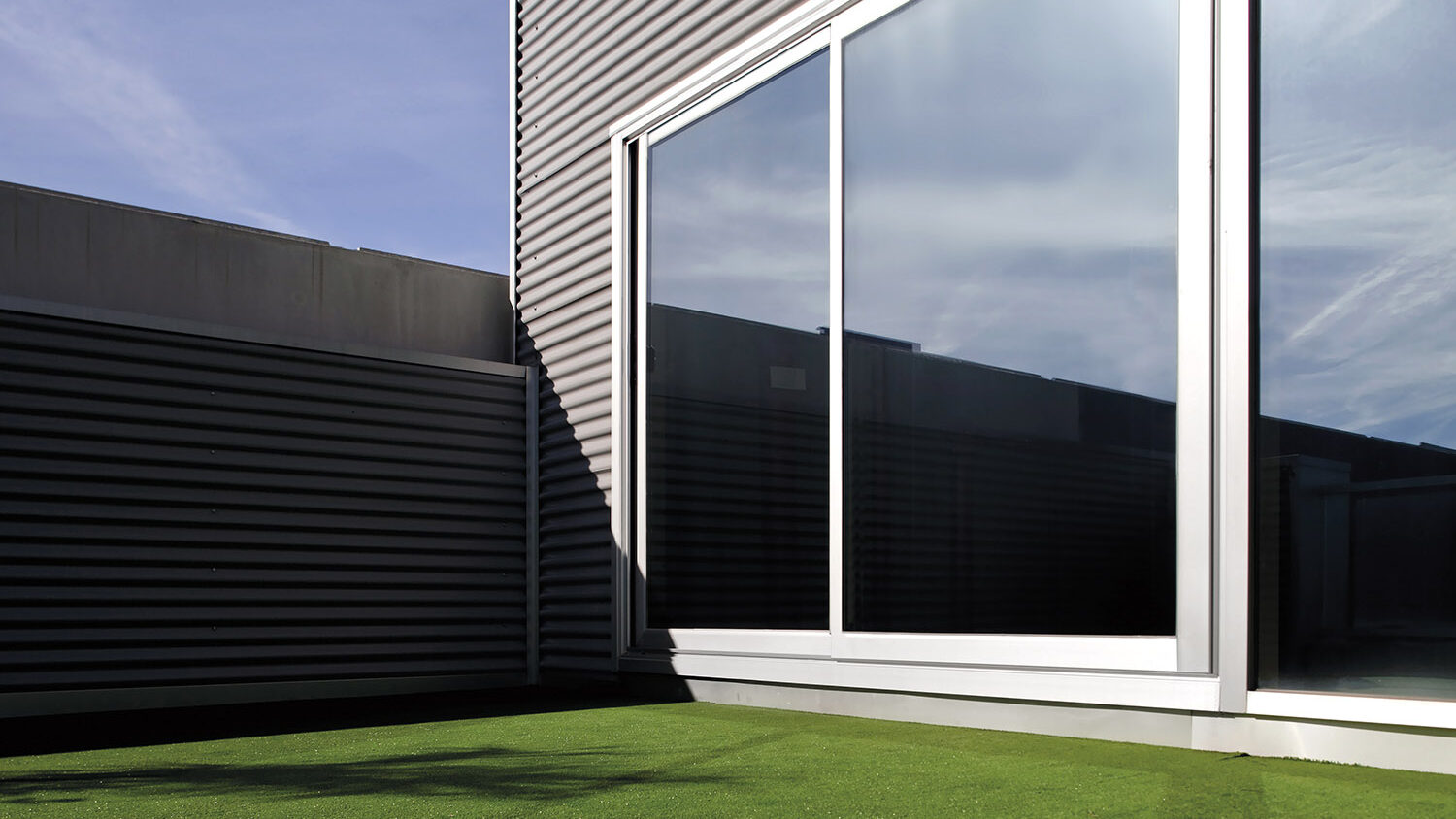
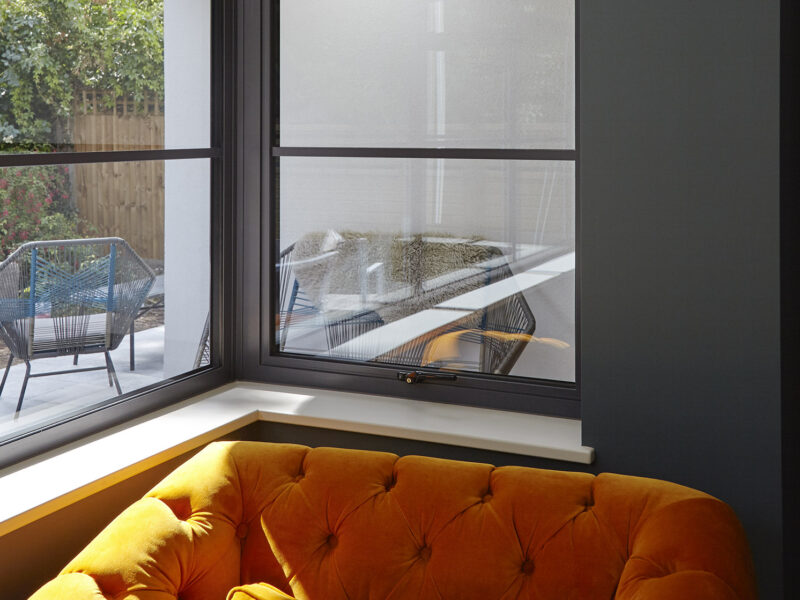
They also pair beautifully with other contemporary features such as aluminium bifold doors or modern conservatories.
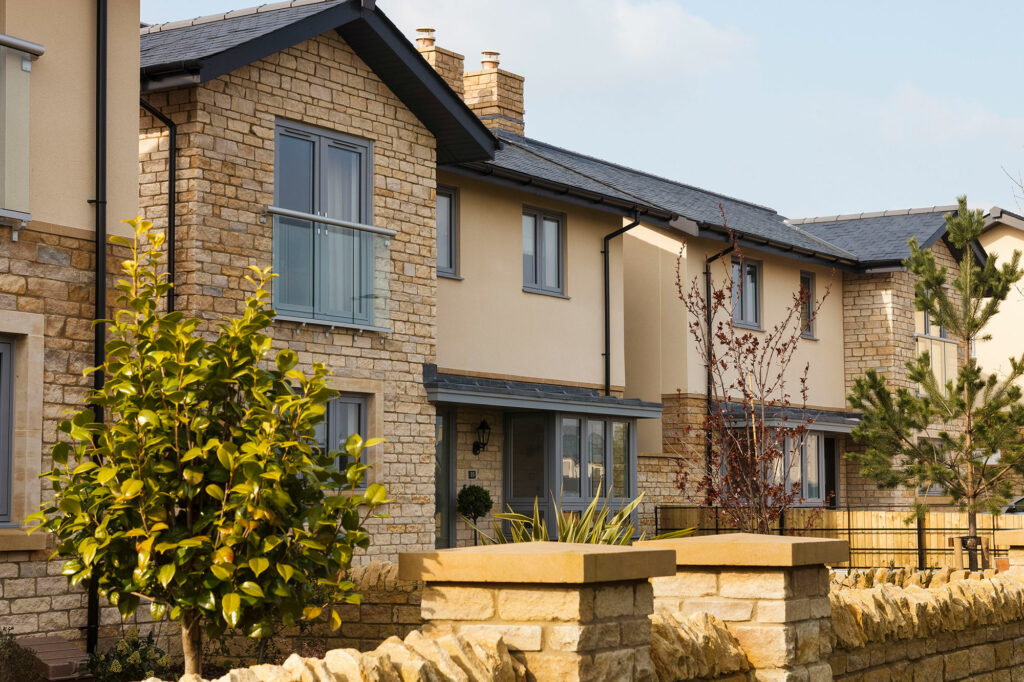
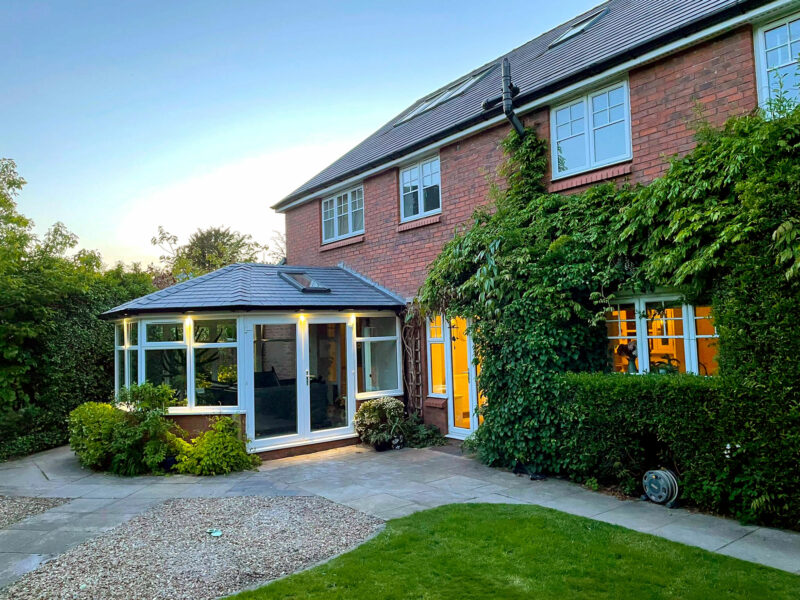
You can also choose uPVC in flush casement styles, timber effect finishes, or even as sliding sash windows for added character.
Need help deciding? Our post on why choose double glazing may help you weigh the options further.
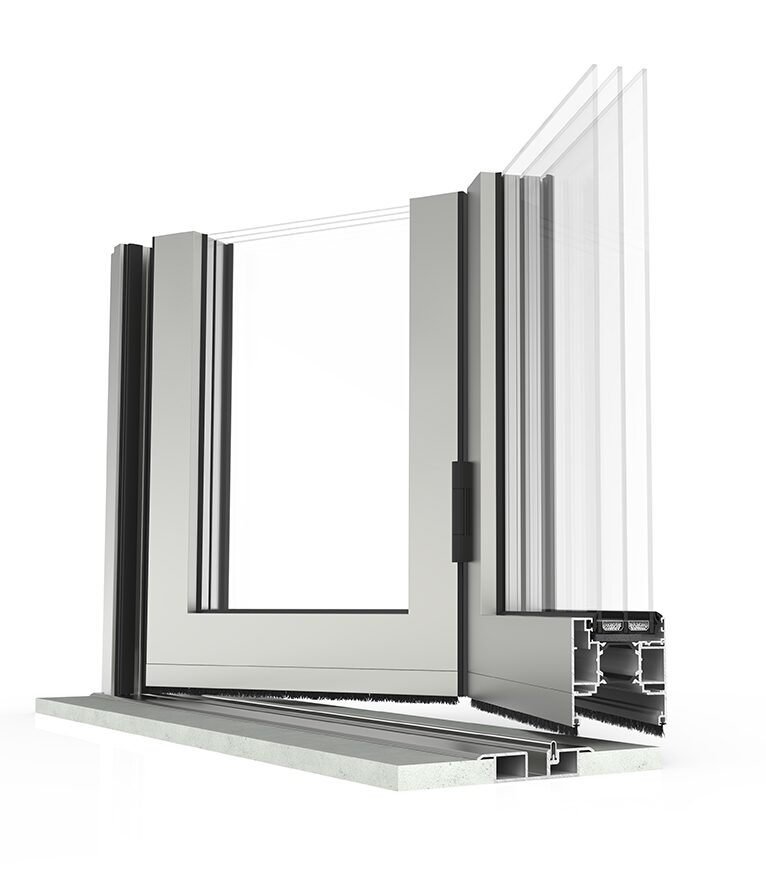
There is no single right answer – it depends on your home, budget, and personal style.
If you are aiming for a modern, minimalist look and want slim, high performance frames that will last for decades, aluminium windows are a smart investment.
If you are working to a tighter budget or live in a more traditional style home, uPVC windows offer excellent value without compromising on performance.
Both options can be fitted with acoustic glazing, solar control glass, or triple glazing for extra comfort and efficiency.
Do aluminium windows make your house colder?
Not anymore. Modern aluminium windows use thermal break technology to prevent heat loss, making them just as effective as uPVC for insulation.
How long do aluminium windows last?
Aluminium frames typically last 30 to 40 years or more with minimal maintenance.
Are uPVC windows still a good option in 2025?
Yes – uPVC windows have improved massively in recent years and remain one of the best value options on the market.
Can I use aluminium windows in a period home?
Absolutely. With the right colour and glazing choice, aluminium windows can work beautifully in both contemporary and heritage properties.
We install both aluminium and uPVC windows across Kent, South East London, and surrounding areas. All work is carried out by our in house team, backed by a ten year insurance guarantee and covered by FENSA certification.
No pushy sales, same day quotes, and honest advice from a local, family run team.
Best front door styles for period homes in the South East
Thinking about replacing your front door but unsure what style fits a period home in Kent or Sussex? In this post we explore classic and modern door styles including composite,…
What are the benefits of aluminium windows vs uPVC?
Wondering whether aluminium or uPVC windows are the right choice for your home? In this post, we break down the key differences and benefits of each option – from style…
How do I keep my conservatory cool in summer?
Fed up with your conservatory being too hot to use in summer? Discover practical fixes, energy efficient upgrades, and expert advice on keeping your conservatory cool across Kent and the…
If your conservatory feels more like a greenhouse than a relaxing living space during the warmer months, you are not alone. Many homeowners across Kent and the South East find their conservatories become uncomfortably hot in summer, especially if they still have an old polycarbonate roof or standard glazing.
The good news is that there are proven ways to cool your conservatory down and make it usable all year round.
Conservatories are designed to let in lots of natural light, but without the right materials, that sunlight can turn into trapped heat. Common reasons include:
These issues are especially common in conservatories built over ten years ago and can make the space almost unusable during warmer weather.
If your roof is showing signs of age or underperformance, this easy guide to conservatory roof replacement might be a useful next read.
If you are looking for short term relief, here are a few simple measures to help cool things down:
These solutions can offer temporary comfort, but they often fall short during heatwaves or in south facing properties.
If you are serious about making your conservatory comfortable in summer and winter, the most effective approach is to upgrade the roof or glazing.
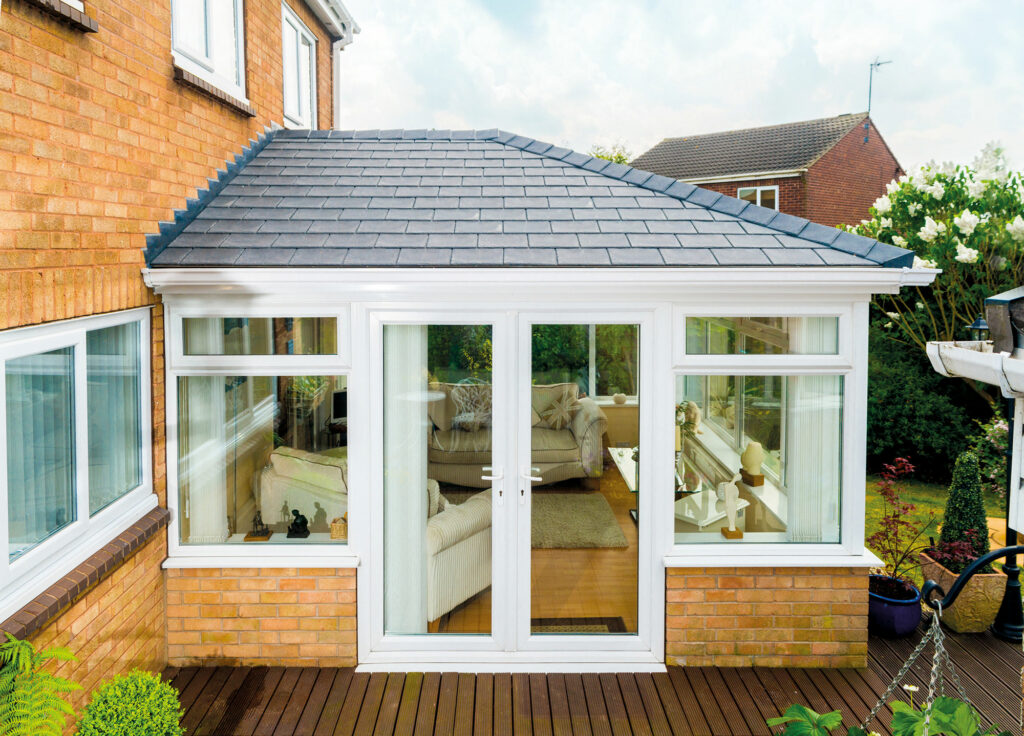
Warm roofing systems like the Supalite conservatory roof are designed to regulate temperature throughout the year. At House of Glass, we supply and install these systems across Kent and surrounding areas. They include:
A warm roof will not only keep your conservatory cooler in summer, it will also help retain warmth in winter and reduce your energy bills.
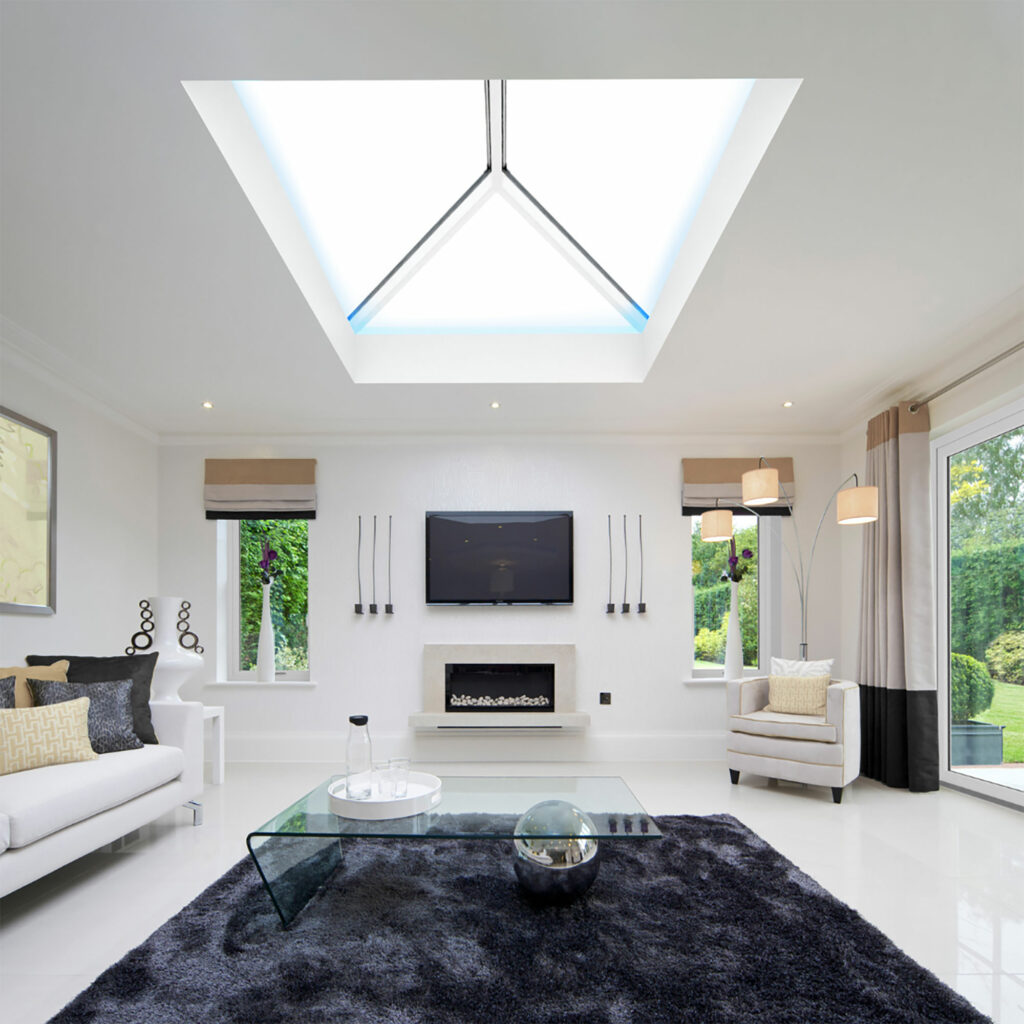
If you still love the bright, airy feel of a glass conservatory roof, consider upgrading to the Supalite S2 glass roof system. This offers:
You could even combine it with a skypod for a bright, open feel with better ventilation and year round usability.
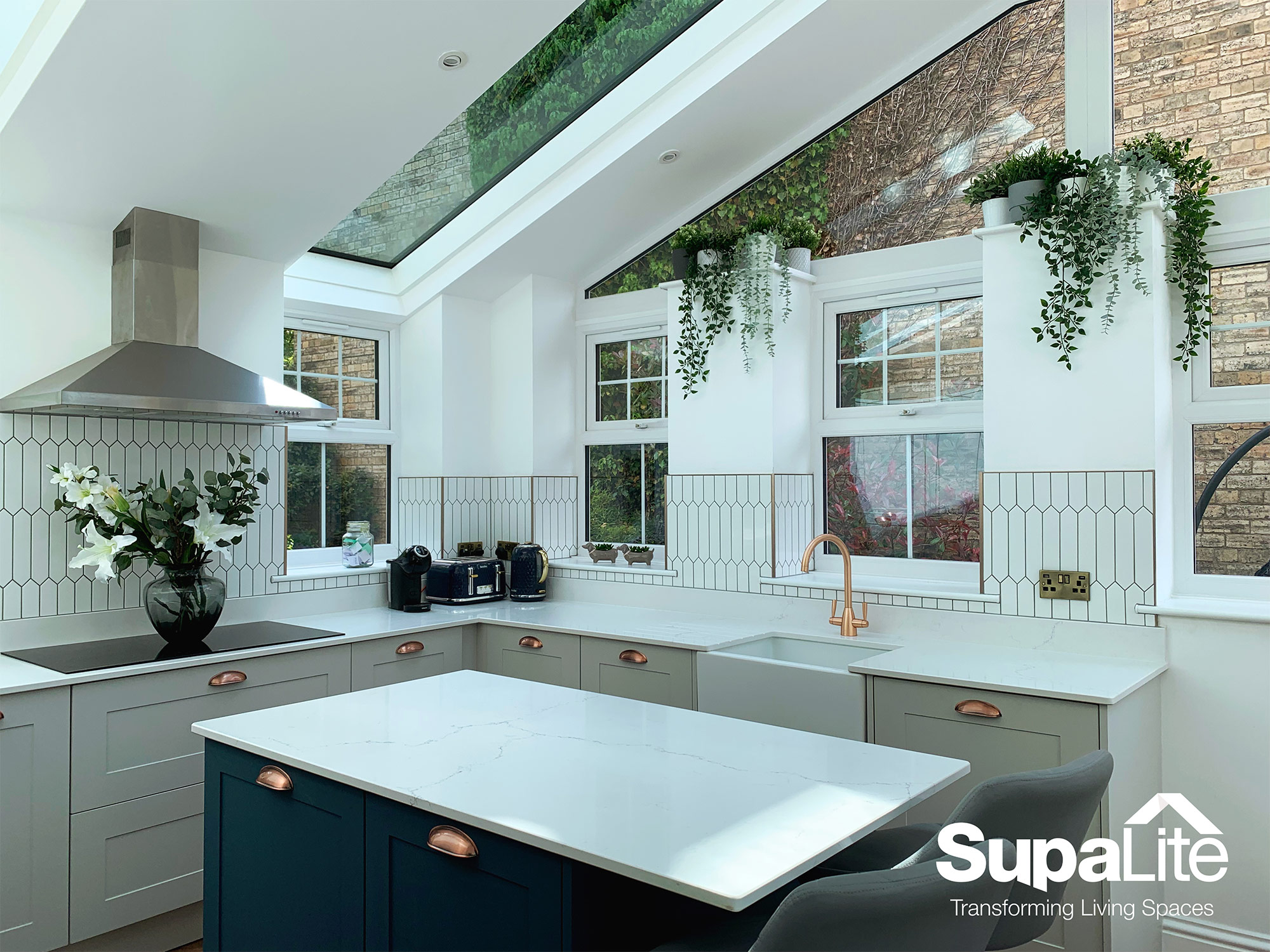
Even with a good roof, older windows can be a major source of heat. Upgrading to double or triple glazed windows with solar control glass can make a huge difference. We offer:
You can also read more about the benefits of upgrading in our post on why choose double glazing.
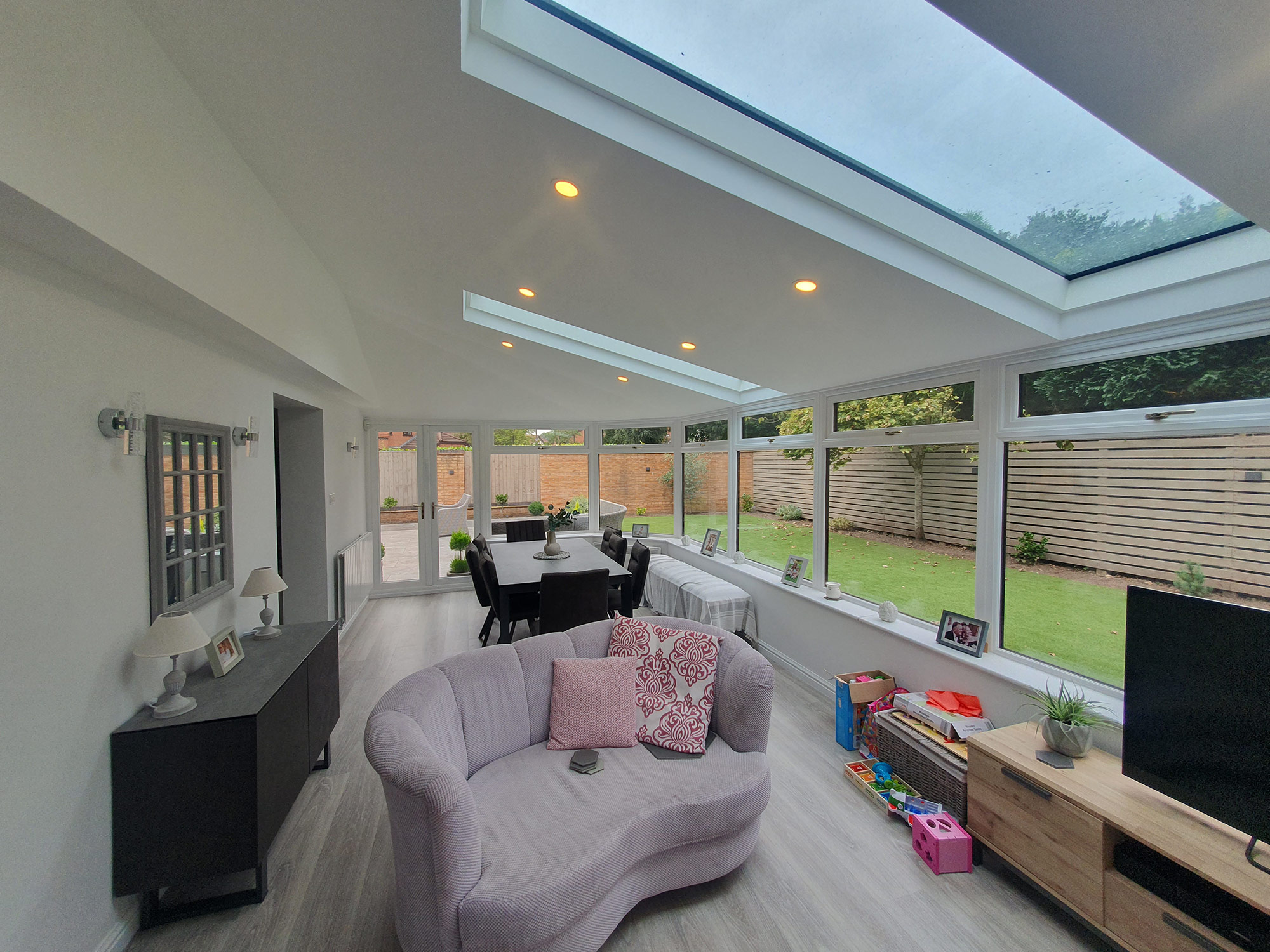
In most cases, you do not need to rebuild from scratch. We can upgrade your existing conservatory with a new roof or improved glazing, giving you a more usable space without the cost of a full replacement. Planning permission is often not needed either.
Learn more about our conservatory roof replacement services
From Maidstone to Tunbridge Wells, Sevenoaks to Orpington, we help homeowners across Kent, South East London, and surrounding areas transform their conservatories into spaces they can enjoy again.
House of Glass offers same day quotes, no pushy sales, and a ten year insurance backed guarantee. All our installers are FENSA registered, and we never use subcontractors.
Will blinds or fans stop my conservatory from overheating?
They can reduce glare and provide short term relief, but they do not address the underlying problem if your roof or glazing is outdated. They can reduce glare and provide short term relief, but they do not address the underlying problem if your roof or glazing is outdated.
Do I need planning permission to replace my conservatory roof?
Most roof upgrades fall under permitted development, meaning you usually do not need planning approval. We can advise during your free quote.
How long does it take to install a new conservatory roof?
Most warm roof installations are completed in just a few days by our in-house team.
If you are tired of your conservatory being too hot to use, we are here to help. Speak to House of Glass for friendly advice, same day quoting, and expert installation throughout Kent and the South East.
Contact us today for your free, no obligation quote
Best front door styles for period homes in the South East
Thinking about replacing your front door but unsure what style fits a period home in Kent or Sussex? In this post we explore classic and modern door styles including composite,…
What are the benefits of aluminium windows vs uPVC?
Wondering whether aluminium or uPVC windows are the right choice for your home? In this post, we break down the key differences and benefits of each option – from style…
How do I keep my conservatory cool in summer?
Fed up with your conservatory being too hot to use in summer? Discover practical fixes, energy efficient upgrades, and expert advice on keeping your conservatory cool across Kent and the…
A lot of people ask for information about adding extensions to the back of their properties. The same question almost always follows too – is an orangery cheaper than an extension?
When making such an important decision (that’s going to impact the very place you call home) there will no doubt be a few things on your mind. In this post we have put together all the information you need to help you decide if an orangery is the better choice for you.
Generally, extensions are made entirely of brick with standard windows installed. They are usually added to the back of your property and are built with a heavy tiled roof.
If you are thinking about adding a larger area to your second floor, extensions give the option of adding more vertical space compared to an orangery. As they are larger in size (because of the tiled roof or the second floor) it is a much bigger project to undertake and therefore takes a much longer time to complete.
Orangeries are only partly made of brick – adding to their robustness – but unlike extensions they are built with large areas of glazing too. The main benefit of an orangery is that they let in far more natural light through the window panels and from skypods installed onto the flat roof. For more information on why skypods are the perfect addition to your home improvement project get in touch with us.
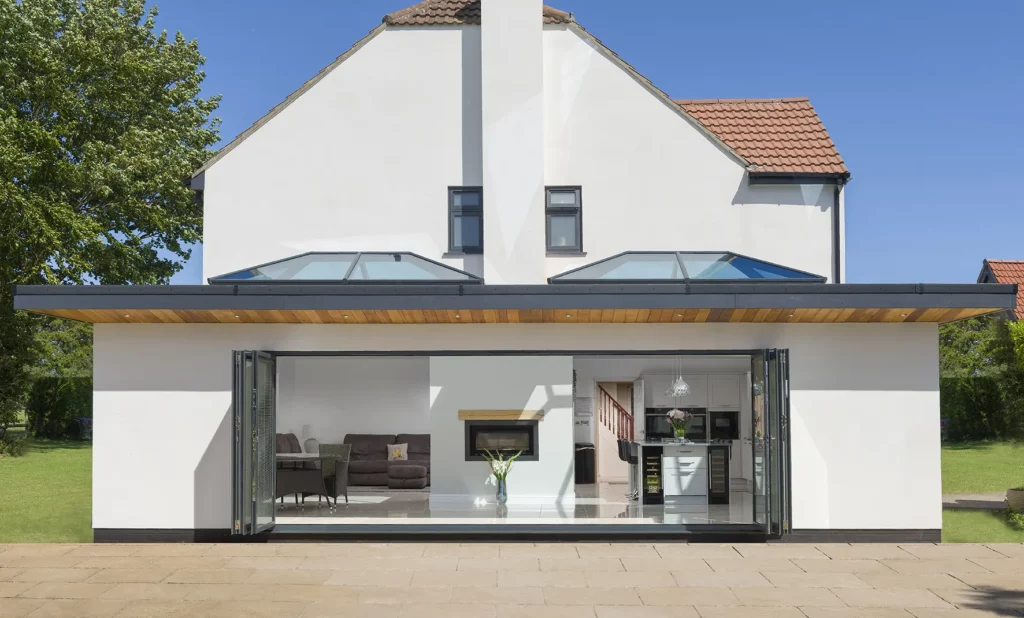
Another benefit is that orangeries still acts as a solid extension to your home, giving you the option for electric lighting, plumbing and heating. This ensures that you get a comfy space that can be used night and day, throughout the year.
In many ways, an orangery sits nicely in-between a conservatory and a full extension, with the benefits of both. It has the openness and natural feel of a conservatory while also maintaining the robustness and adaptability of an extension. By now you should be getting a feel for the question is an Orangery cheaper than an Extension.
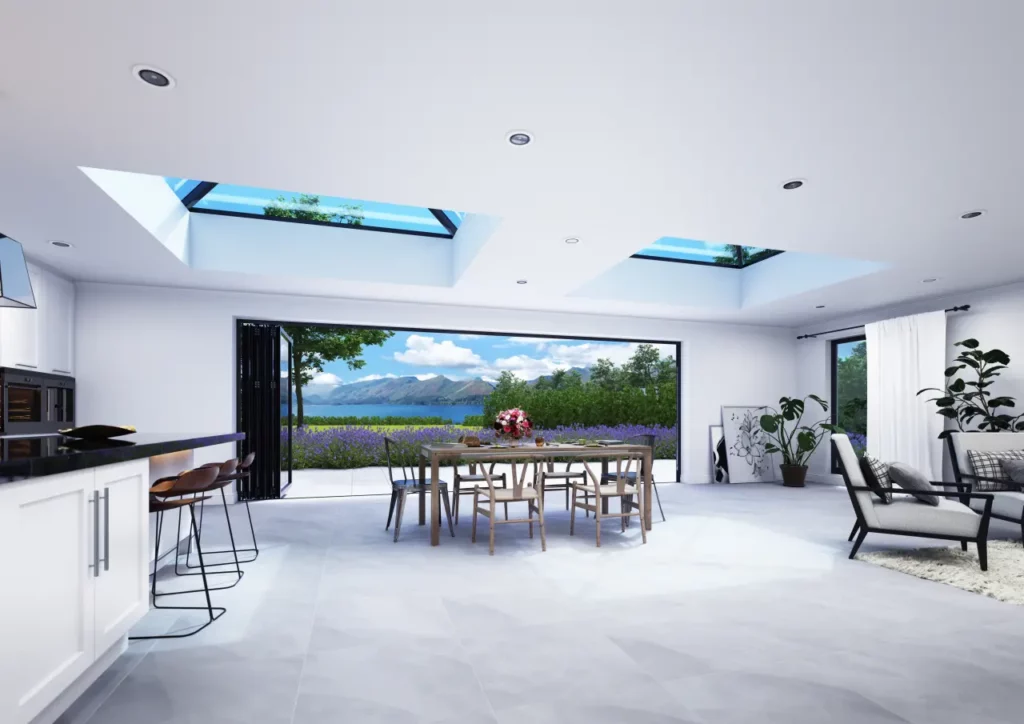
When extending your living space, waiting to get the green tick from the authorities can be a nerve-racking experience. If you are thinking about an extension, planning permission is nearly always needed as there are stricter regulations to take into account.
Orangeries may sometimes require planning permission, but are usually classified as ‘permitted development’, which means that you can increase your ground floor living space without having to apply for planning.
‘Permitted development’ usually falls under the following rules:
If you need more help working out whether you will need planning permission, remember to book in a free no obligation quote with us. We can go through all of the details and we also help with the paperwork – should you need it!
As extensions are made mostly of brick and have a typical roof (with rafters, tiles and insulation) you might think that they are more energy efficient. However, this isn’t always the case and is often the case that makes an Orangery cheaper than an Extension in the longer term.
As they are larger (especially if they reach to the second floor) they take much longer to heat up and as they don’t have the same access to natural light, they also use far more electricity during the day.
Our orangeries are built using some of the most energy efficient materials on the market. Our skypods also offer ‘Activ blue’ glazing to retain the sun’s heat and reflect harmful UV rays. This means that your orangery stays warm in the winter and cool in the summer.
The roofing materials used in an orangery are also just as effective as those on an extension, with added room for overhead lighting (so the space can be used at night) and high-performance insulation.
Considering that an extension requires more materials, more time to process the planning application and more time to build, it’s probably no surprise to you that an orangery can be less expensive.
Ultimately, it comes down to how you plan on using the space created. If you need to add space to the second floor of your home then a traditional extension may be the better option for you. If you only need a ground floor extension then an orangery is by far the better choice, as it is so versatile it can be used for anything – a larger kitchen to enjoy, a playroom, an office, whatever your home needs.
The other difference to talk about is aesthetics. Extensions and orangeries will both be designed to tie into your property’s current look, where similar materials will be chosen to match your property’s.
However, extensions normally require tiled roofs, where the materials can’t always be an exact match. This means that the roof tiles will normally look a little different to the existing ones.
This can sometimes (not as often) happen with the type of brick being used, but as an orangery uses far less brick than an extension the differences are far less visible.
As an orangery uses a flat roof system, to incorporate skypods and long-lasting weatherproofing, you are always left with a wonderfully modern, sleek addition to your home.
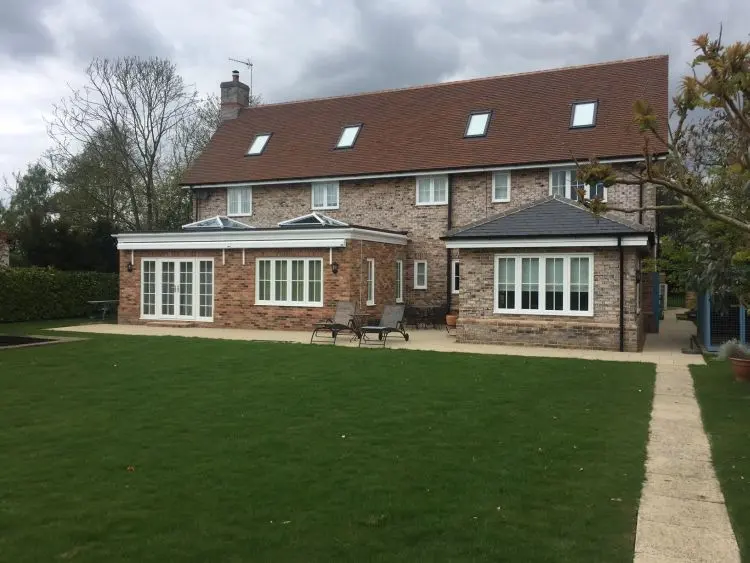
At House of Glass we use 3D imaging to help you visualise how your new orangery will look. We can go through all of the necessary steps and handle all of the hard work so you enjoy the full potential of your home.
Call now for a free, no obligation quote.
Best front door styles for period homes in the South East
Thinking about replacing your front door but unsure what style fits a period home in Kent or Sussex? In this post we explore classic and modern door styles including composite,…
What are the benefits of aluminium windows vs uPVC?
Wondering whether aluminium or uPVC windows are the right choice for your home? In this post, we break down the key differences and benefits of each option – from style…
How do I keep my conservatory cool in summer?
Fed up with your conservatory being too hot to use in summer? Discover practical fixes, energy efficient upgrades, and expert advice on keeping your conservatory cool across Kent and the…
A conservatory roof replacement involves the removal of the existing roof of a conservatory and its replacement with a new roof. This process is undertaken to enhance the energy efficiency, aesthetics, and overall functionality of the conservatory, providing homeowners with a more comfortable and visually appealing space.
There are several clear signs that indicate the need for a conservatory roof replacement. Identifying these signs is crucial for maintaining the functionality and aesthetic appeal of your conservatory. Below are detailed explanations of the signs that may point to the necessity of a roof replacement:
Addressing these signs promptly is essential to ensure the long-term performance and comfort of your conservatory. By proactively recognising the need for a roof replacement, you can maintain a comfortable living space while enhancing the value of your property.
When it comes to upgrading your conservatory, replacing the roof with a high-quality glass alternative can bring a multitude of benefits. Let’s delve deeper into the details of what a glass conservatory roof replacement entails:
Overall, a glass conservatory roof replacement is a versatile and transformative upgrade that brings an array of functional and aesthetic advantages to the home.
When it comes to replacing a polycarbonate conservatory roof, homeowners have the option to choose durable and lightweight polycarbonate panels as the construction material. Polycarbonate roofs are renowned for their excellent thermal insulation properties, making them an ideal choice for those looking to enhance their conservatory’s energy efficiency. However, there are several important factors to consider when opting for a polycarbonate conservatory roof replacement:
Furthermore, the installation process and the structural compatibility of the chosen polycarbonate material with the existing conservatory framework are critical aspects that warrant attention. By carefully considering these factors and consulting with professional contractors, homeowners can make informed decisions regarding their polycarbonate conservatory roof replacement.
When it comes to choosing a conservatory roof replacement, tiled roofs are a popular and practical option. They offer a range of benefits that contribute to both the aesthetic appeal and the functionality of the conservatory.
Furthermore, tiled roof replacements are known for their longevity and low maintenance requirements, making them a cost-effective and sustainable choice for homeowners.
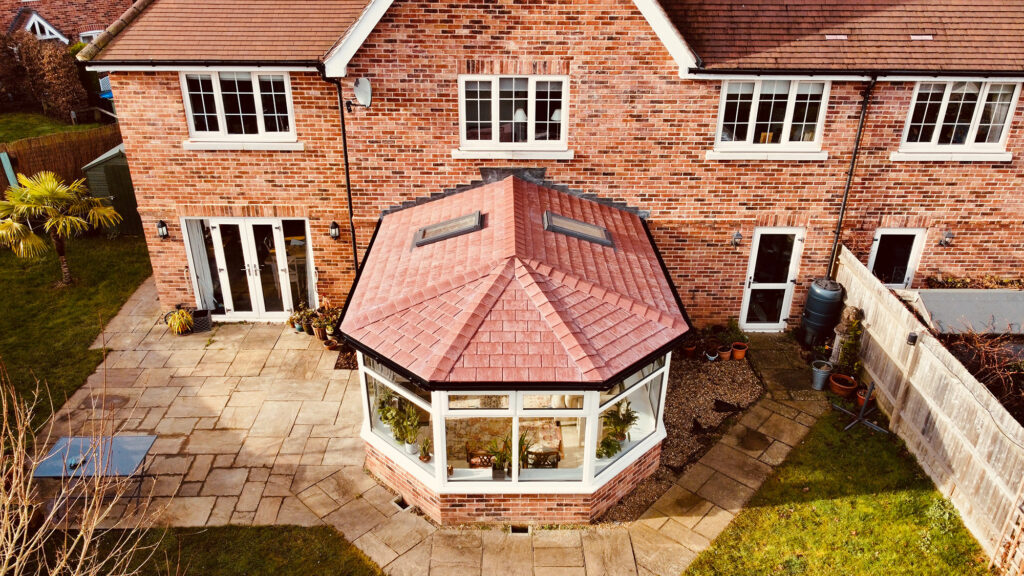
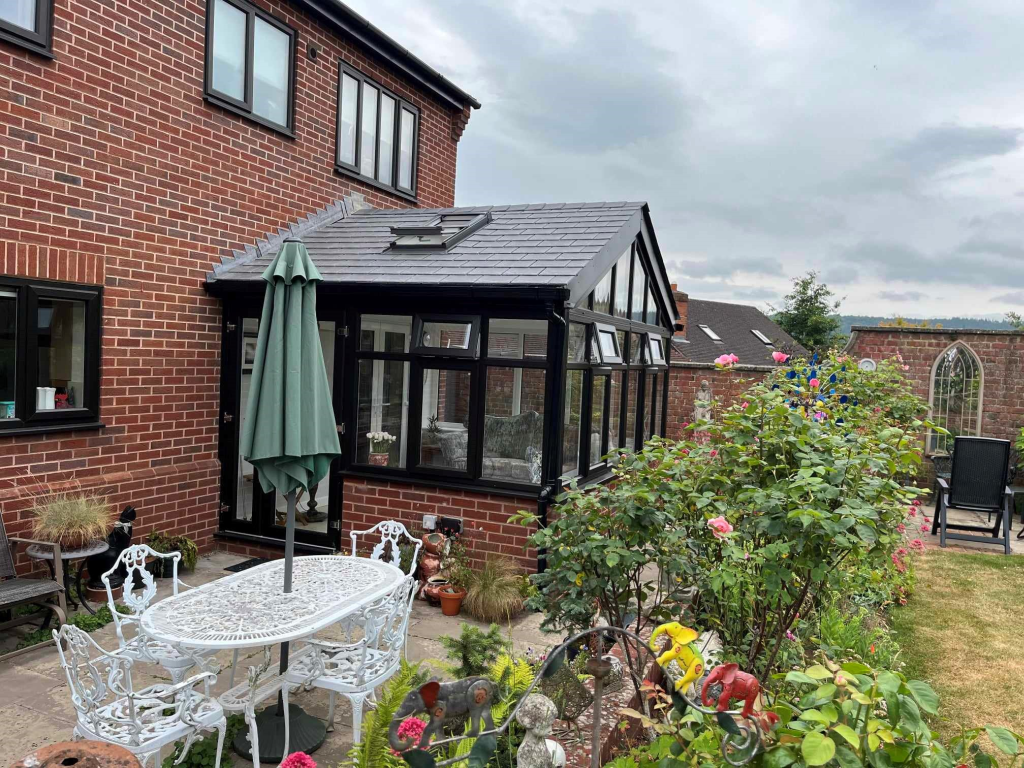
When selecting a conservatory roof replacement, several factors should be considered, including the desired energy efficiency, aesthetic preferences, budget constraints, and the climatic conditions in the region. By carefully evaluating these factors, homeowners can make an informed decision regarding the most suitable roof replacement for their conservatory.
When considering a conservatory roof replacement, the cost is a significant factor that homeowners need to take into account. The cost of the replacement depends on various variables, including the selected material, roof size, installation requirements, and additional features. To provide a clearer picture of the cost considerations, let’s delve into more detail:
For budget-conscious homeowners, it’s essential to explore different options and seek quotes from reputable providers. This proactive approach allows them to compare costs and find a cost-effective solution that aligns with their budgetary needs.
Prior to the replacement, a thorough inspection and assessment of the existing conservatory roof is conducted to identify any structural issues, damage, or areas requiring remediation. This step ensures that the replacement process addresses all relevant concerns and optimises the new roof installation.
The removal of the old roof is a critical phase in the conservatory roof replacement process. It involves meticulous planning and execution to ensure a smooth transition to the new roof. Here’s a detailed overview of the removal process:
The installation of a new conservatory roof is a critical phase in the roof replacement process. It involves a series of meticulous steps aimed at ensuring structural integrity, weatherproofing, and aesthetic appeal. Here’s a detailed look at the installation process:
Improved Energy Efficiency
Enhanced Aesthetics
The replacement of a conservatory roof offers the opportunity to enhance the aesthetics of the space, creating a visually appealing environment that aligns with the homeowner’s style preferences. Whether opting for glass, polycarbonate, or tiled roofing, the new roof can significantly elevate the overall look and feel of the conservatory.
An upgraded conservatory roof can significantly increase the value of a property, making it a lucrative investment for homeowners. The enhanced functionality, improved energy efficiency, and aesthetic appeal associated with a new roof can play a key role in attracting potential buyers and commanding a higher resale value. In addition to these factors, there are several other ways in which a conservatory roof replacement can contribute to increased property value:
To preserve the condition and performance of a new conservatory roof, regular cleaning and maintenance routines are essential. Depending on the roofing material, specific cleaning methods and schedules should be observed to prevent debris buildup and maintain the roof’s appearance and functionality.
When it comes to the long-term care of your new conservatory roof, implementing preventative measures is crucial for maintaining its durability and performance. By being proactive in addressing potential issues and taking preventive actions, you can significantly prolong the lifespan of your conservatory roof. Here are some detailed preventative measures to consider:
As we conclude an easy guide to conservatory roof replacement and our exploration of conservatory roof replacement, it is evident that this renovation endeavour offers homeowners a valuable opportunity to enhance the functionality, aesthetics, and energy efficiency of their conservatories. By carefully considering the various aspects, materials, and benefits, homeowners can make informed decisions and embark on a transformative journey to elevate their living spaces. If you are contemplating replacing your conservatory roof, why not contact House of Glass for advice and a quote?
With over 35 years of experience making homes bigger, brighter and warmer, our family-run business in Kent carries the necessary expertise and reliability in this field. Here’s why we are the preferred choice for homeowners seeking quality and satisfaction in their conservatory roof replacement:
At House of Glass, our conservatory roof replacement is built on deep understanding and skilful execution. We don’t just adapt to your home’s unique architecture; we enhance it with personalised solutions that still retain its individuality.
We select only the finest materials for durability and style, and stay ahead with the latest roofing technology for energy-efficient, weather-resistant solutions. With House of Glass, excellence is not an option; it’s a standard.
Our roots as a family-run business in Kent reflect in our customer-first approach. We believe in building relationships through transparent communication and bespoke services, ensuring every service is smooth, satisfying, and above all, personal.
Start with a free, bespoke design consultation that leads to a creation perfectly aligned with your home’s needs. Our 10-year guarantee on all installations is our promise of quality, offering you peace of mind and confidence in your investment.
By choosing House of Glass for your conservatory roof replacement, you are partnering with a dedicated team that values your satisfaction above all. Let us transform your conservatory into the comfortable, stylish and functional space you always wanted.
Contact us today to start your home improvement journey with Kent’s trusted experts.
Best front door styles for period homes in the South East
Thinking about replacing your front door but unsure what style fits a period home in Kent or Sussex? In this post we explore classic and modern door styles including composite,…
What are the benefits of aluminium windows vs uPVC?
Wondering whether aluminium or uPVC windows are the right choice for your home? In this post, we break down the key differences and benefits of each option – from style…
How do I keep my conservatory cool in summer?
Fed up with your conservatory being too hot to use in summer? Discover practical fixes, energy efficient upgrades, and expert advice on keeping your conservatory cool across Kent and the…
Energy efficient windows have become an increasingly popular home improvement option for homeowners looking to reduce their energy bills and improve the comfort in their homes. By preventing heat transfer and airflow between the interior and exterior environments, high-efficiency windows can lead to substantial energy savings compared to traditional options. With energy costs continually rising, installing energy efficient windows is one impactful way that homeowners can take control of their utility expenses.
In this post, we will explore the different types of energy efficient windows available and the unique benefits that each provides. We’ll cover the main options available, while highlighting the best energy efficient windows on the market. Our goal is to provide the objective information needed to make an informed decision when looking into this increasingly popular upgrade.
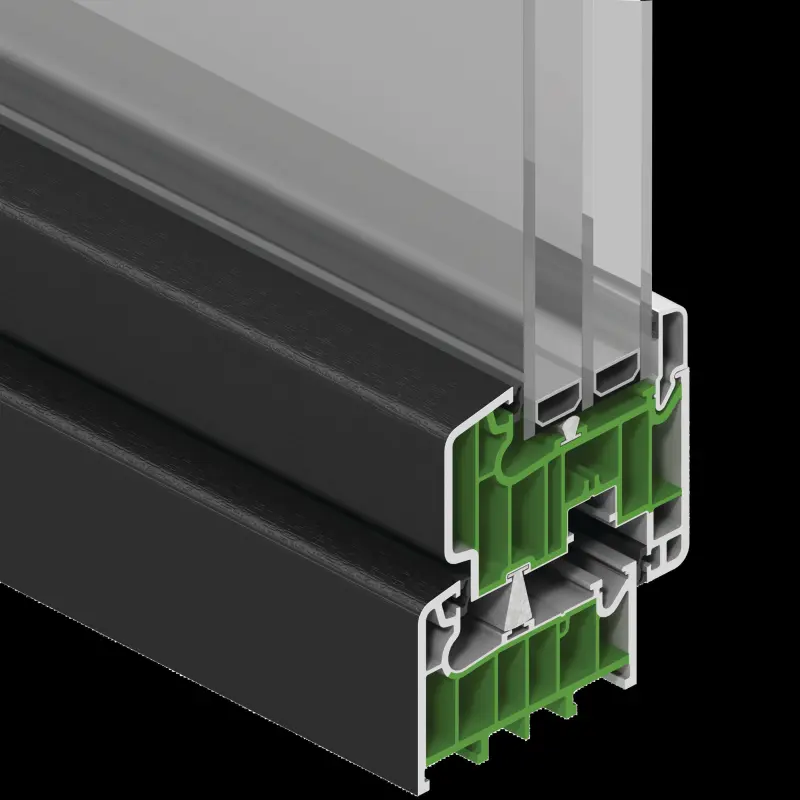
When exploring energy-efficient windows, the details count. Advancements in glazing technology and specialised coatings have unlocked game-changing improvements in thermal performance. By fine-tuning key components, you can now achieve huge energy savings and interior comfort through high-performance windows.
Glazing refers to the layers of glass within the windows, acting as protective barriers between indoor and outdoor environments. Double glazed windows offer a dramatic upgrade from traditional single pane windows, with two panes separated by a spacer to create an insulating air pocket.
However, triple glazing takes efficiency to the next level, with a third pane augmenting insulation even further. Studies show switching from double to triple glazing can net up to an extra 15% reduction in heat loss, not to mention the noise reduction and UV protection benefits of an additional glass layer.
It’s important to note and this is possibly one or the reasons to trust House of Glass for your Home Improvement project, triple glazing is more expensive and unless you are combining benefits such as noise control, it is unlikely that the extra energy saving will give you a positive return on investment over the saving made vs the additional expense.
Specialised Low-E coatings applied to window glass act as essentially an invisibility shield against infrared light. This invisible barrier reflects heat back into the home during frigid winters and outward to prevent overheating in summer. Upgrading to the highest tier Low-E3 coating can dramatically decrease heat loss compared to uncoated glass panes. With this cutting-edge technology becoming increasingly popular, homeowners no longer have to choose between efficiency, aesthetics and affordability.
Filling narrow spaces between glass panes with dense gases rather than air takes efficiency to the maximum level. Chemical compounds like argon and krypton act as expert insulators, reducing the convection and conduction of heat through the windows. With triple glazing and a high-grade Low-E coating already in place, this inert gas infusion ensures you’re saving every penny. Getting these key factors right is what pushes modern windows into record-breaking territory for energy savings and sustainability. It’s how homeowners can literally seal heat and cold out all year round.
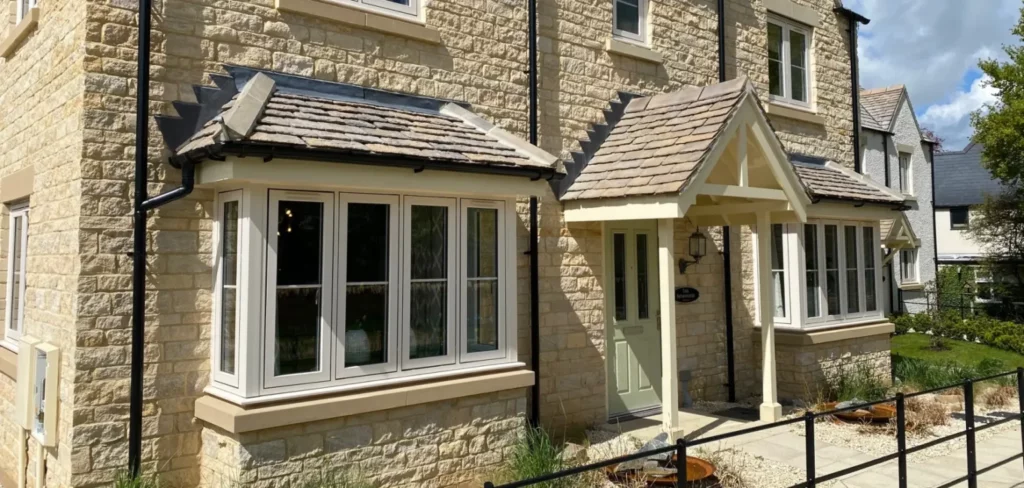
In addition to advanced glazing features, the right window frames and operational styles also play key roles in energy efficiency, aesthetics and functionality.
There are several common frame materials to consider, each offering unique advantages:
Highly affordable and requiring virtually no maintenance, uPVC windows provide very good insulation. uPVC is inherently resistant to heat flow and will not warp from exposure to sun and rain. These durable and weatherproof frames are a great choice to cut energy costs.
Known for its slim, sleek profiles, aluminium windows are extremely durable and fully recyclable. While aluminium is very conductive to heat transfer, installing thermal breaks (plastic strips) between exterior and interior frame surfaces significantly improves insulation.
Wood frames offer unparalleled aesthetics and customisation potential. Though requiring more maintenance than other materials, wood’s natural insulating properties enhance efficiency. Modern wood composites resist swelling and shrinking issues that traditional wood is prone to.
Combining components from various materials, composites aim to provide the best of everything – durability, insulation, and aesthetics. Composites like fiberglass reinforced uPVC merge the benefits from multiple sources into a single, high-performance frame.
Different operational styles of windows are designed to cater to specific needs and preferences in your home. Here’s a closer look at some popular styles and their practical applications:
These are hinged at the side and swing outward, offering maximum ventilation. Their design is particularly beneficial for hard-to-reach areas like over kitchen sinks or in bathrooms. Casement windows provide excellent airflow and can be opened and closed with ease, making them a versatile choice for many rooms.
Hinged at the top, awning windows open outward from the bottom, allowing them to keep rain out even when they’re open. This makes them ideal for use in various weather conditions. Their simple hinge mechanism ensures ease of operation, and they are especially effective in providing ventilation and light in compact spaces.
These windows glide along a horizontal track, offering a smooth opening and closing action. They are an excellent option for spaces where an outward opening window is impractical, such as facing patios or walkways. Sliders provide tight sealing when closed, which is beneficial for energy efficiency and security.
Offering a dual functionality, these windows can tilt inwards from the top for secure ventilation and can also turn sideways like a regular casement window for easy cleaning and full ventilation. Their multi-functional design is suitable for various requirements, from providing secure airflow to facilitating emergency exits.
The choice of the right frame and style is influenced by several factors including local climate conditions, the window’s location in the home, specific usage needs and personal aesthetic preferences.
For instance, in areas with frequent rainfall, awning windows might be preferable, whereas casement windows might be more suitable in drier areas for maximum ventilation.
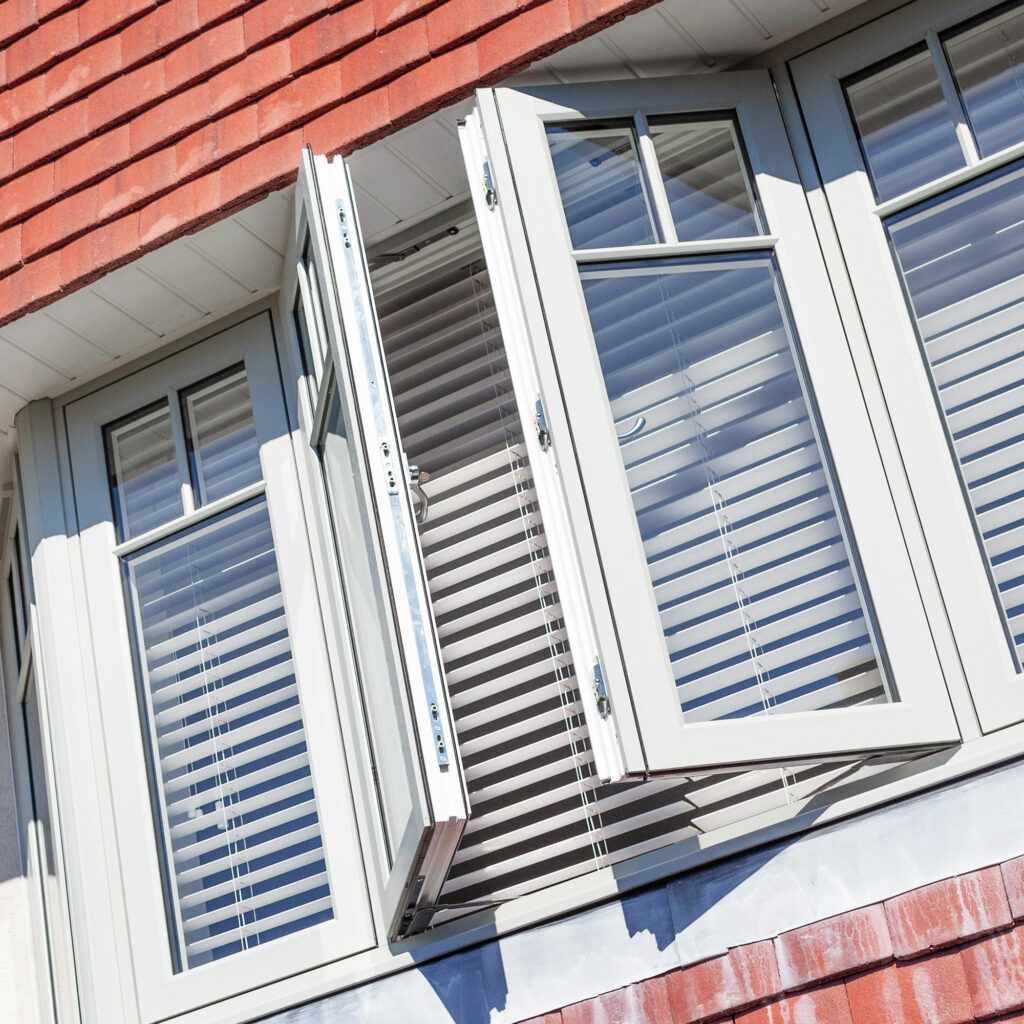
When only the absolute cutting-edge in window innovation will suffice, the Residence collection’s R7 and R9 models shatter expectations. Architecturally replicating older style windows, but infusing today’s most energy efficient advancements, these windows have outperformed many others on the market.
The R9 line in particular, with its staggering 9 internal chambers, rockets to unseen heights in thermal insulation. An incredible 90% of heat is reflected back into homes, with these windows able to withstand even the most extreme weathers. The R7 matches visual aesthetics with 7 slimline chambers and superb efficiency credentials earning Energy Star’s highest certification.
Both R7 and R9 windows utilise a specialised PVC/aluminium composite frame to create an impenetrable thermal seal while retaining structural integrity. Compared to ordinary double and triple glazing, these windows achieve U-factors reaching an incredible 0.8 W/m2K – vastly outperforming standard options to reduce heat transfer by up to 70%.
In their standard configuration, R9 windows attain SHGC ratings as low as 0.2, meaning they block a tremendous 80% of solar radiation from entering homes. With intense summers and excessive UV exposure increasingly problematic, no other model prevents overheating more effectively. The R7 closely matches this top-tier caliber as well.
While even high-end triple glazing windows struggle to breach U-factors under 1.2 W/m2K, the R9 line dominates with ratings reaching 65% better efficiency. There is simply no rivalling the combination of architectural elegance and cutting-edge construction the Residence Collection offers. For homeowners seeking the new gold standard in windows, R7 and R9 models are the most energy efficient.
When it comes to investing in energy efficient windows, the natural question arises – how much is required? With interplaying factors like sizes, glazing types, frames and custom designs substantially impacting pricing, costs can shift.
According to industry standards, basic uPVC double glazed windows average £600-£1,800 depending on precise specifications. Moving into triple glazing with specialty coatings and frames sees costs increase to £1,300 up to £3,600 per window.
While top-tier options like R7 and R9 models carry premium price tags (varying mostly on the size of your home), the unparalleled benefits pay for it.
Studies show A-rated double glazed options can save households over £180 annually in energy expenses. Triple glazing options only add to the savings – even more so with R7 and R9. With utility bills remaining high, this is an important consideration.
Ultimately, precise costs depend on personal needs. To receive an accurate quote tailored specifically to your home, you can reach out to us at any time.
The impact on property value is another crucial factor to consider, and this is where the Residence collection’s R7 and R9 windows truly shine. These windows are not just about energy efficiency; they are a strategic investment that significantly enhances the overall value of your property.
Their contribution to increased property value lies in their aesthetic appeal, functional excellence and long-term cost savings. The R7 and R9 windows add your home’s market appeal in multiple ways:
As utility bills continue to rise, impacting household budgets, transitioning to energy-efficient windows offers a smart and effective solution. Not only does this help to manage energy costs, but it also significantly enhances the quality of your home life.
Our extensive range of energy-efficient windows is designed to accommodate any home and budget, ensuring that this vital upgrade is accessible to everyone.
We also take pride in being authorised installers of The Residence Collection. These windows stand out with their advanced multi-chambered construction and state-of-the-art glazing technology, leading to remarkable energy savings. Opting for these windows could reduce your heating and cooling costs by up to 70% in certain scenarios.
But the benefits of energy efficient windows go beyond energy savings. These windows contribute to a more comfortable home environment too. In winter, they provide warmth by effectively insulating your living spaces, and in summer, they keep your home cool by blocking excessive heat. Additionally, their exceptional soundproofing capabilities minimise outside noise.
At House of Glass, we help you find the best solution for your home, so don’t hesitate to call us today for a no obligation quote.
Best front door styles for period homes in the South East
Thinking about replacing your front door but unsure what style fits a period home in Kent or Sussex? In this post we explore classic and modern door styles including composite,…
What are the benefits of aluminium windows vs uPVC?
Wondering whether aluminium or uPVC windows are the right choice for your home? In this post, we break down the key differences and benefits of each option – from style…
How do I keep my conservatory cool in summer?
Fed up with your conservatory being too hot to use in summer? Discover practical fixes, energy efficient upgrades, and expert advice on keeping your conservatory cool across Kent and the…