Are aluminium windows worth it in 2026?
Thinking about aluminium windows? Here is a clear, honest look at the benefits, costs and whether they are the right choice for your home.
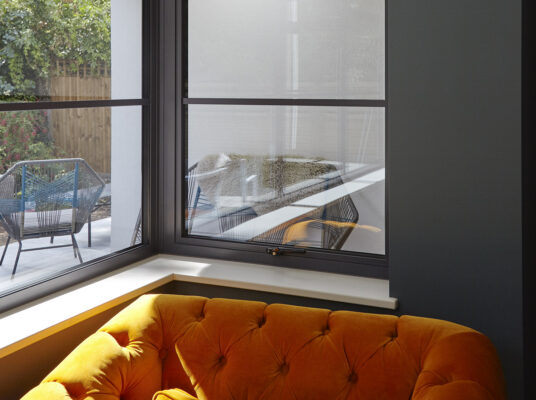
Aluminium windows have become increasingly popular, particularly for extensions and home renovations. But are they actually worth the extra cost, or are they more of a design trend? In this guide, we break down the key benefits, potential drawbacks and how aluminium compares to other materials, so you can decide what is right for your home.
What are aluminium windows and how do they work?
Aluminium windows use slim metal frames instead of uPVC. Because aluminium is strong and lightweight, it allows for narrower frames and larger areas of glass. They are often chosen for more contemporary homes, but they are now being used across a wide range of property styles. Many modern aluminium systems, such as AluK, are designed to offer a balance between performance, appearance and longevity.
If you are still exploring options, our aluminium windows page looks at different styles and configurations in more detail.
Why are aluminium windows so popular?
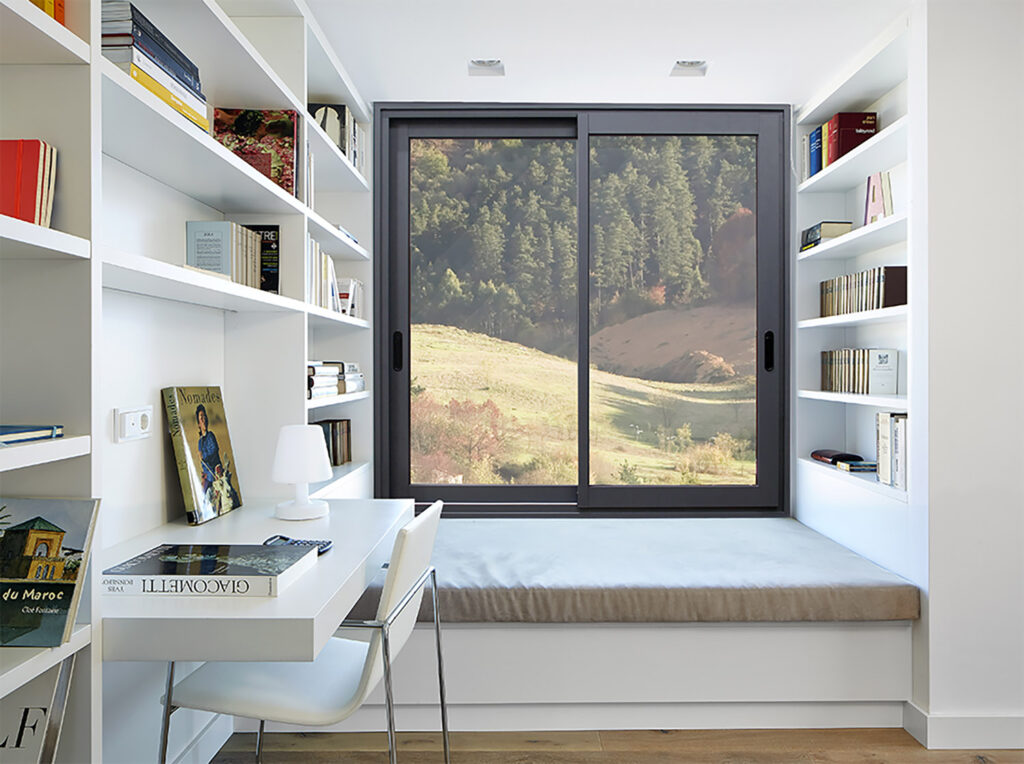
Slimmer frames and more natural light
One of the main reasons people choose aluminium is the slimmer frame profile. This allows more natural light into the home and creates a cleaner, less bulky appearance compared to traditional window styles.
Strong, durable and long lasting
Aluminium is naturally strong and resistant to warping, swelling or cracking. This makes it particularly well suited to exposed areas and for larger window designs where structural strength is important.
Low maintenance over time
Unlike timber, aluminium does not require repainting or ongoing treatment. A simple clean is usually enough to keep frames looking good over time. If you’re interested in finding out more about their longevity you can read our blog post on how long do aluminium windows last here.
Works for both modern and older homes
While aluminium is often associated with modern design, it can work just as well on more traditional properties depending on the colour and finish chosen.
Are aluminium windows energy efficient?
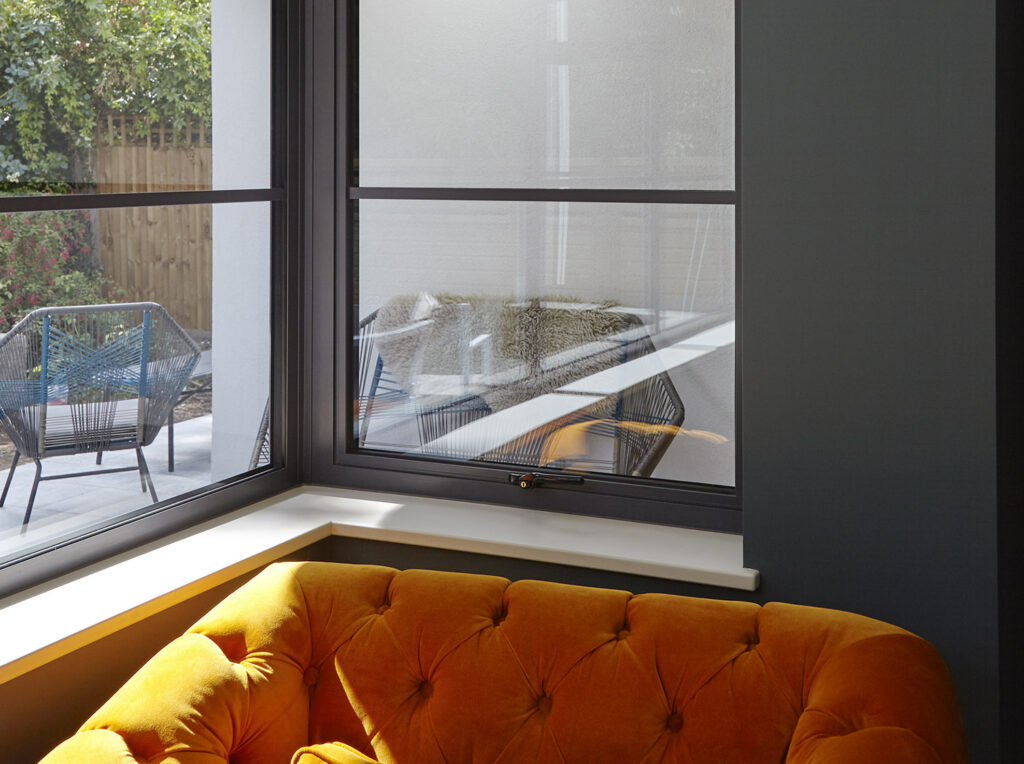
This is a common concern, especially if you have heard older aluminium systems were less efficient. Modern systems use thermal breaks and high performance glazing to reduce heat loss and improve overall efficiency. With the right specification, aluminium windows can meet current building regulations and provide good levels of thermal performance.
If energy efficiency is a key factor for you, it is also worth comparing materials in our guide to the benefits of aluminium windows vs uPVC. You can also explore how different window types perform in our guide to the best energy efficient windows.
Aluminium vs uPVC windows – what is the difference?
Both aluminium and uPVC windows have their place, and the right choice depends on your priorities, budget and the type of project you are planning.
uPVC is typically more cost effective upfront and has become a widely used, reliable option across many different property types, making it a practical choice for standard replacements.
Aluminium, on the other hand, is often selected for its slimmer sightlines, which allow for larger glazed areas and a more contemporary overall appearance. It also lends itself well to modern designs and larger openings where strength and structure are important. Rather than one being better than the other, it usually comes down to what matters most for your home, whether that is upfront cost, aesthetics or long term performance.
Are aluminium windows more expensive?
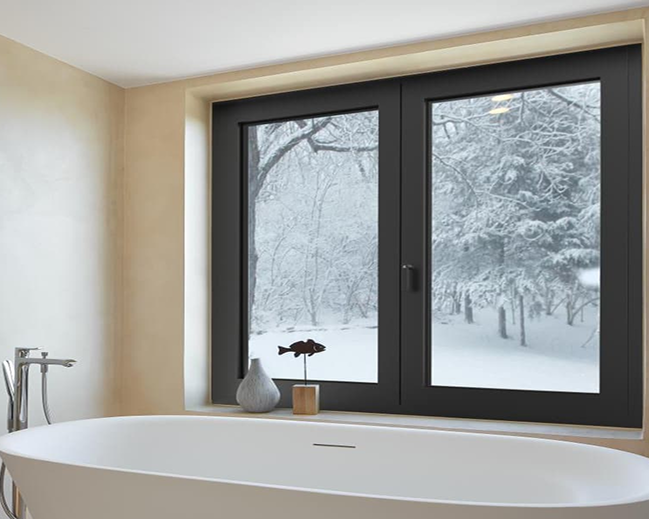
Aluminium windows are generally more expensive than uPVC, particularly when comparing like for like sizes and specifications. However, they are often viewed as a longer term investment rather than a short term solution.
Their strength, durability and resistance to wear mean they tend to maintain both their performance and appearance over time, with minimal upkeep required. This can make them a more cost effective option over the long run for some homeowners. For others, the decision comes down to priorities. If keeping initial costs lower is the main factor, uPVC may be the more suitable choice. If the focus is on longevity, design flexibility and achieving a slimmer, more contemporary finish, aluminium is often worth considering.
How long do aluminium windows last?
One of the biggest advantages of aluminium is its lifespan. When properly installed and looked after, aluminium windows can last for several decades without significant deterioration, making them one of the more durable options available. The material itself is naturally resistant to rust and corrosion, and unlike some alternatives, it does not warp, swell or twist with changes in temperature. This stability helps the frames maintain their shape and performance over time, even in more exposed conditions.
Combined with modern finishes such as powder coating, which protect against weathering and fading, aluminium windows are well suited to long term use with very little ongoing maintenance required.
What are the common problems with aluminium windows?
It is normal to have a few concerns when considering a different material. Here are some of the most common ones.
Do aluminium windows feel cold?
Modern aluminium systems include thermal breaks that reduce heat transfer, helping to keep warmth inside during colder months.
Do aluminium windows get condensation?
Condensation is usually linked to ventilation and humidity levels in the home rather than the window material itself.
Good glazing specification and airflow play a bigger role here.
Are aluminium windows noisy?
With the right glazing, including acoustic glass if needed, aluminium windows can help reduce external noise just as effectively as other materials.
Do aluminium windows suit older houses?
While aluminium is often linked to modern homes, it can work well on older properties too.
The key is choosing the right colour and finish. Softer tones or heritage style designs can help aluminium sit more comfortably alongside traditional features.
When are aluminium windows a good choice?
Aluminium windows are often a strong option depending on the type of project you are planning and the overall look you want to achieve. They are particularly well suited to extensions and renovations, where larger openings and more glass can help transform a space.
If you are looking to maximise natural light, achieve a slimmer and more contemporary finish, or create feature windows that make a statement, aluminium is often the preferred choice. Their strength also makes them ideal for wider spans and more ambitious designs that may not be possible with other materials.
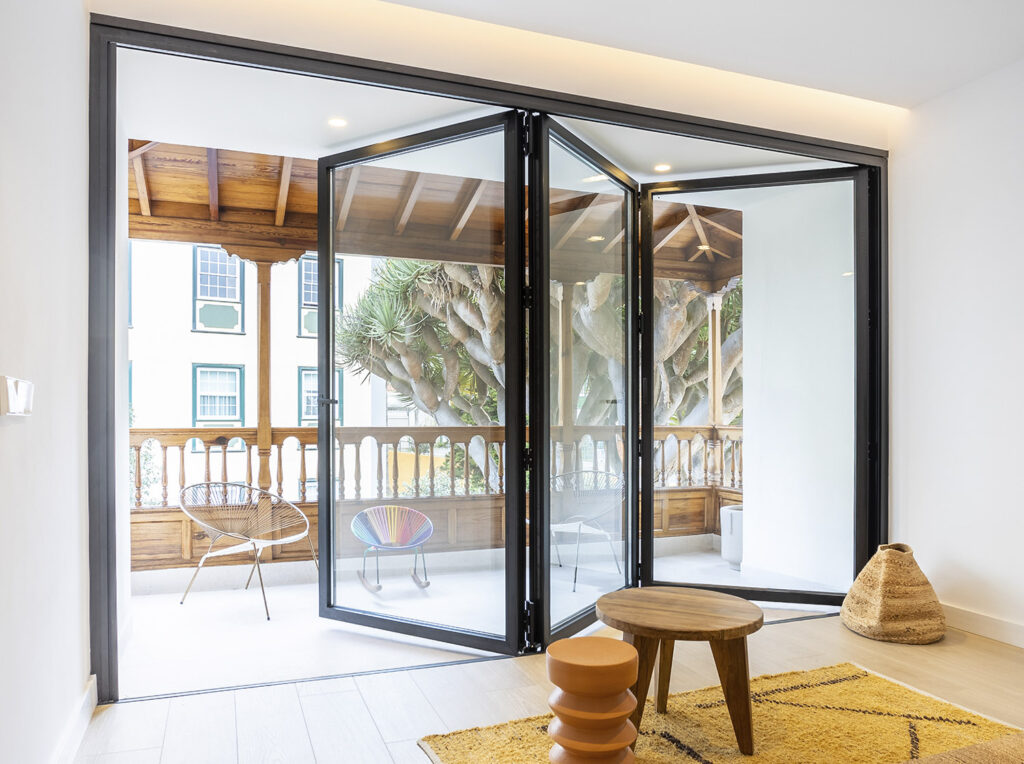
They can also work well alongside other aluminium products, such as sliding or bifold doors, helping to create a consistent look throughout the property.
Exploring aluminium window options
If you are still weighing up your options, it can help to look at different styles, configurations and glazing choices in more detail.
Our aluminium windows page covers the different designs available, along with finishes and performance options, to help you get a clearer picture of what might suit your home.
So, are aluminium windows worth it?
Aluminium windows are not the right choice for every home, but they offer clear advantages in terms of design flexibility, strength and lifespan.
Taking the time to compare materials and understand how they perform will help you make the right decision for your property.
Frequently asked questions about aluminium windows
Are aluminium windows better than uPVC?
They are not necessarily better, but they offer different benefits. Aluminium tends to suit projects where design, slim frames and durability are priorities, while uPVC is often more cost effective.
Do aluminium windows increase house value?
They can improve the overall appearance of a property, particularly in modern or renovated homes, which may make it more appealing to buyers.
Are aluminium windows worth the extra cost compared to uPVC?
For many homeowners, the longer lifespan and slimmer design justify the higher upfront cost, especially in larger or more design led projects.
Do aluminium windows require maintenance?
Very little. Occasional cleaning is usually enough to keep them in good condition.